Resolving UK Casino Disputes and Filing ADR Complaints
 Available in GB
Structuring Evidence for Formal Gambling Complaints
Complaint situations often involve stress, especially when money is unavailable or an account has been restricted. It is natural to feel angry. But a complaint is stronger when it is built from clear records rather than frustration. Write down what happened, when it happened, what was requested, what the business said and what outcome you are asking for.
Use the gambling business’s own complaint procedure first. Official public guidance explains that users generally need to go through the business’s complaints procedure before taking the matter to an alternative dispute resolution provider. If the complaint is unresolved or the answer is unsatisfactory after eight weeks, the matter can be taken to an ADR provider. That route does not guarantee the result you want, but it gives a structured way to escalate eligible disputes.
Complaint timeline
- Issue appears: a withdrawal delay, document request, disputed term, account closure or unclear support answer creates a problem.
- Gather the basic records: save dates, amounts, terms, screenshots, chat logs, emails, document requests and payment references.
- Use ordinary support once: ask for a clear explanation and the exact term or rule being relied on.
- Move to the complaint procedure: if support does not resolve it, submit a formal complaint through the channel the business provides.
- Track the eight-week point: keep the date you complained and the replies received. Do not rely on memory.
- Consider ADR if needed: after the relevant unresolved or unsatisfactory stage, check the approved ADR route rather than choosing a random third party.
The timeline is a discipline. It helps you avoid sending repeated, scattered messages that make the dispute harder to follow.
Evidence checklist
| Evidence | Why it helps | How to keep it clean |
|---|---|---|
| Account identifier and registered details | It helps the business locate the account and complaint. | Do not publish personal account details in public posts. |
| Deposit and withdrawal dates | They show the sequence of the money issue. | Keep original transaction references where available. |
| Terms at the time of deposit or play | They show what was available before the dispute. | Save complete pages, not only the sentence you prefer. |
| Bonus or promotion wording | It may be relevant if wagering or restrictions are disputed. | Do not assume marketing wording overrides full terms. |
| Identity and document requests | They show what was requested and when. | Keep the request and your response together. |
| Support chats and emails | They show explanations, dates and any change in position. | Export or save full threads rather than isolated screenshots. |
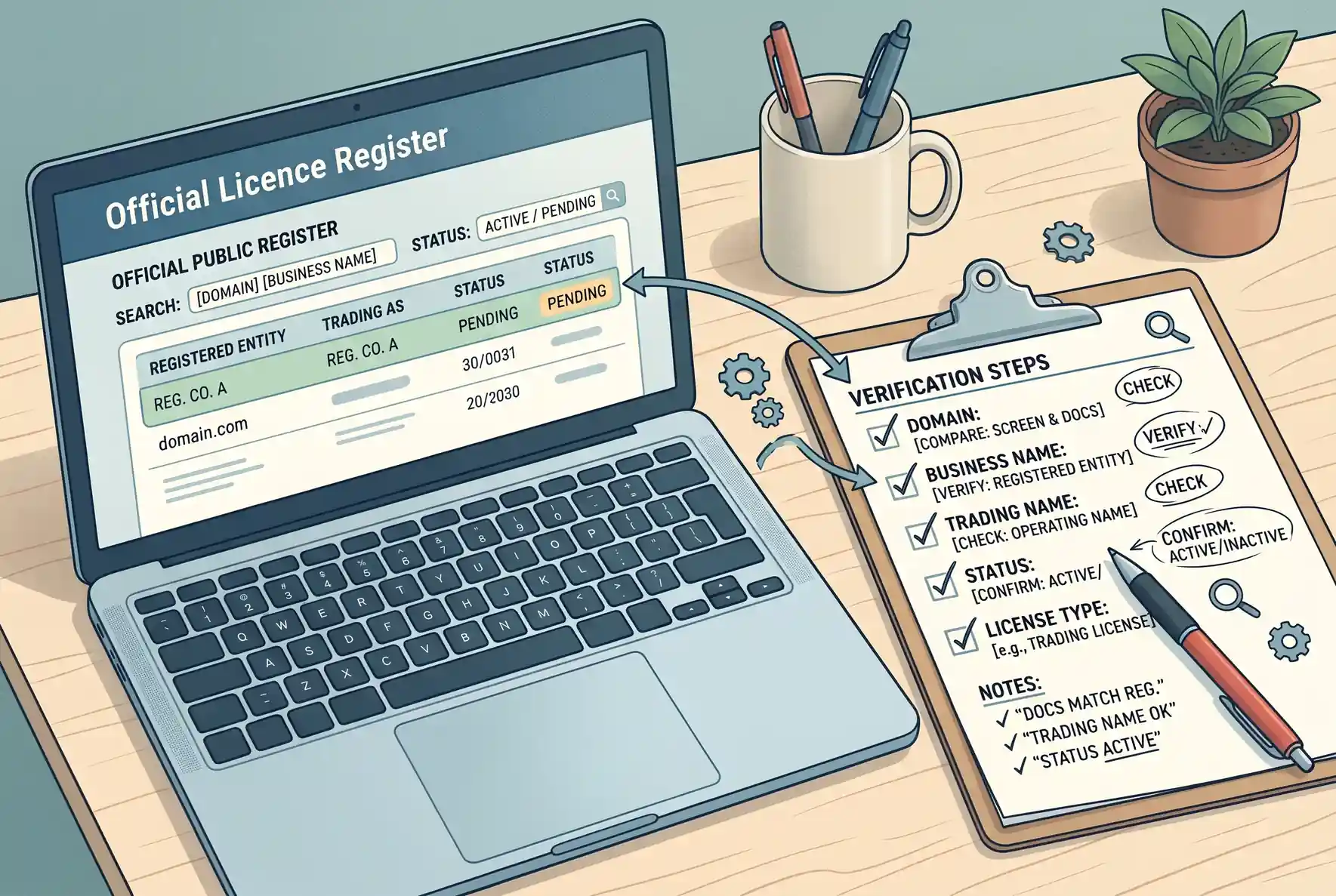
| Licence or business details checked in the public register | They help identify the business behind the site. | Do not rely only on footer badges or review pages. |
What ADR is, and what it is not
Alternative dispute resolution is a route for certain unresolved disputes after the gambling business’s complaint procedure has been used. The Gambling Commission provides public guidance on taking a complaint to an ADR provider and information about approved ADR providers. The key practical point is that you should check the appropriate route rather than assume any complaint website or paid recovery service is official.
ADR is not a magic refund button. It does not replace your responsibility to provide clear evidence, and it does not mean every delayed withdrawal or account decision will be reversed. It is a structured process for disputes that fit within its scope. Keep your complaint factual: what happened, what term or decision you dispute, what evidence supports your position and what remedy you are asking for.
The Gambling Commission is important as the regulator, but it is not the same thing as an ADR decision-maker for your individual outcome. Reports to a regulator and complaint resolution can serve different functions. Do not blur them when you are organising your next step.
Use consumer-protection context carefully
The Competition and Markets Authority has highlighted unfair obstacles to withdrawing money in online gambling as a consumer-protection concern. That is useful background, especially where a user faces unclear terms or avoidable barriers. But it should not be stretched into a personal legal conclusion. Your individual dispute still depends on the facts, the business’s terms, the timing of requests and the evidence you can show.
A careful complaint does not need dramatic language. It needs a clean chronology, a clear question and complete records. For example: “I requested withdrawal on this date; this document was requested on this date; the term shown to me before deposit said this; I am asking for an explanation of the rule being relied on.” That style gives the recipient something concrete to answer.
What not to do during a dispute
- Do not continue depositing while the same account issue is unresolved.
- Do not send identity documents through channels you cannot verify.
- Do not threaten staff or send repeated messages that add no new facts.
- Do not rely on a review page or forum post as proof of the business’s official status.
- Do not assume that a delayed payment automatically proves wrongdoing.
- Do not use a complaint as a reason to chase losses or open another account elsewhere.
If the dispute is making gambling harm worse
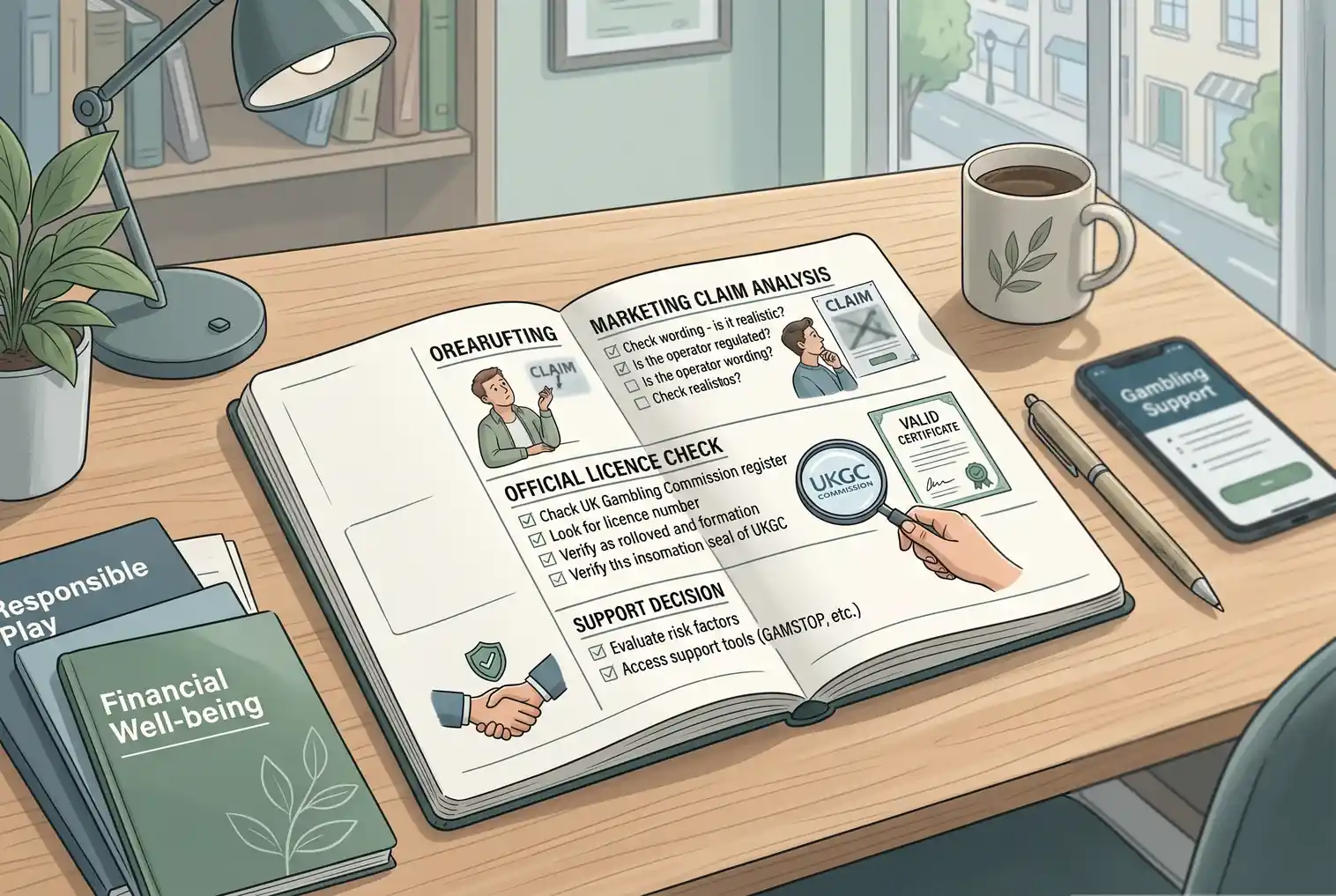
A complaint can keep you emotionally tied to the account. If you are checking messages constantly, chasing a balance, borrowing money, or planning to gamble again as soon as a payment arrives, the dispute is no longer only an admin issue. It may be increasing harm. In that situation, keep the complaint records, but also use support and protective tools. GambleAware and GamCare are recognised UK support organisations in this area, and bank gambling blocks or blocking tools can help reduce immediate access.
It is possible to pursue a complaint and still protect yourself from further gambling. Those are not opposites. Keeping the next deposit from happening may be the most important outcome, even while the complaint is unresolved.