Fast Casino Withdrawals and KYC Verification in the UK
 Available in GB
Table of Contents
- Mandatory ID Verification Documents for Secure Withdrawals
- The verification path in practical order
- What withdrawal safeguards do and do not mean
- Document checklist to keep before a dispute exists
- When a request deserves extra caution
- What to do if the delay turns into a complaint
- Safety note if verification is the reason you are searching
Mandatory ID Verification Documents for Secure Withdrawals
A gambling account is not like a casual newsletter sign-up. Operators may need to know who the customer is, that the person is old enough, and that the account is not being misused. The Gambling Commission’s public guidance says online gambling businesses must ask customers to prove age and identity before gambling. That means any marketing that makes verification sound irrelevant should make you slow down.
There is a difference between a smooth identity check and no meaningful check at all. Some checks may happen electronically, including through credit reference agencies. Public guidance distinguishes an identity footprint from a credit-check footprint, so the existence of an identity check does not automatically mean the same thing as applying for credit. Even so, the process still involves personal information and deserves careful reading of the privacy notice and account terms.
If you are looking for “no ID” because you are self-excluded, using someone else’s details, trying to hide gambling, or worried that a bank or family member will see the activity, stop before treating this as a convenience issue. That is a sign that the safer answer may be protection and support, not a different site.
If an operator unfairly delays your payout after you have submitted all documents, you should familiarize yourself with gambling complaints and ADR procedures to escalate the issue.
The verification path in practical order
- Before account use: expect age and identity checks in a licensed online context. If a site presents itself as a serious operator but avoids clear identity wording, treat that as a reason to check further.
- Before deposit: read the account terms, withdrawal terms and privacy notice. Make sure you know what documents may be requested, how the site describes payment checks and whether the terms are easy to save.
- Before withdrawal: do not assume that a payment screen is the first time documents can matter. Keep copies of the terms that applied at the time you deposited, because later disputes often turn on what was clear earlier.
- If documents are requested: record the date, the exact wording of the request, the file types requested, the reason given and the support channel used. Do not send documents through unofficial channels.
- If payment is delayed: keep calm records before escalating. Note transaction references, withdrawal amount, date requested, replies received and any change in status.
This path is not a guarantee of a particular result. It is a way to stay organised and avoid relying on memory when the issue becomes stressful.
What withdrawal safeguards do and do not mean
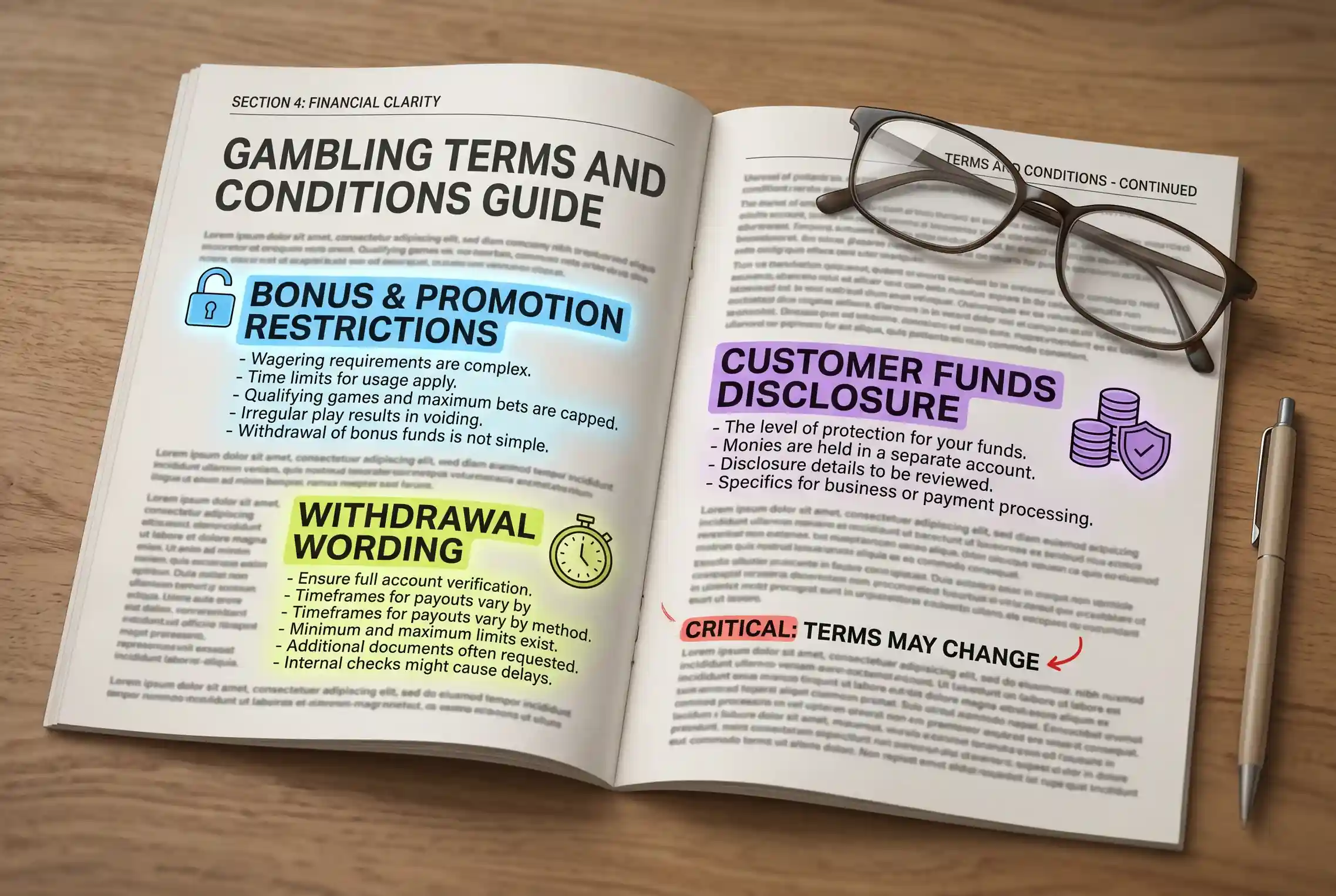
Licence condition guidance is important because it limits a common unfair pattern: a customer is allowed to deposit and play, but then faces new information demands only after trying to withdraw. The relevant rule says a withdrawal request must not be the reason to ask for additional information if the licensee could reasonably have asked for it earlier, subject to legal-obligation exceptions.
That does not mean every document request at withdrawal is automatically wrong. It also does not mean every payout must be instant. Operators can still have legal duties around identity, fraud, payment processing, anti-money-laundering checks and other risk issues. The safer public wording is therefore careful: late and avoidable friction is a concern, but a document request is not automatically unlawful simply because it appears near a withdrawal.
For a user, the practical point is evidence. If you saw no clear warning before depositing, keep a copy of what you saw. If the request refers to a term, save that term. If the support reply changes the reason for the delay, save each reply separately. Evidence is more useful than anger, threats or repeated messages with no record.
Document checklist to keep before a dispute exists
| Record to keep | Why it matters | What to avoid assuming |
|---|---|---|
| Terms and withdrawal rules at the time of deposit | They show what was presented before money was committed. | Do not assume the wording will be unchanged later. |
| Identity or document request | It shows the exact information requested and the stated reason. | Do not assume a verbal or chat summary is enough. |
| Dates and times of deposit, play, request and response | They create a clear sequence if the matter is escalated. | Do not rely on memory after several days of messages. |
| Chat transcripts and emails | They show what support staff said and whether explanations changed. | Do not edit screenshots in a way that removes context. |
| Payment and transaction references | They help identify the payment route and the specific withdrawal. | Do not share sensitive details in public forums. |
| Privacy notice and account-document wording | They help you understand how personal information is described. | Do not assume a deletion request will erase every gambling record. |
When a request deserves extra caution
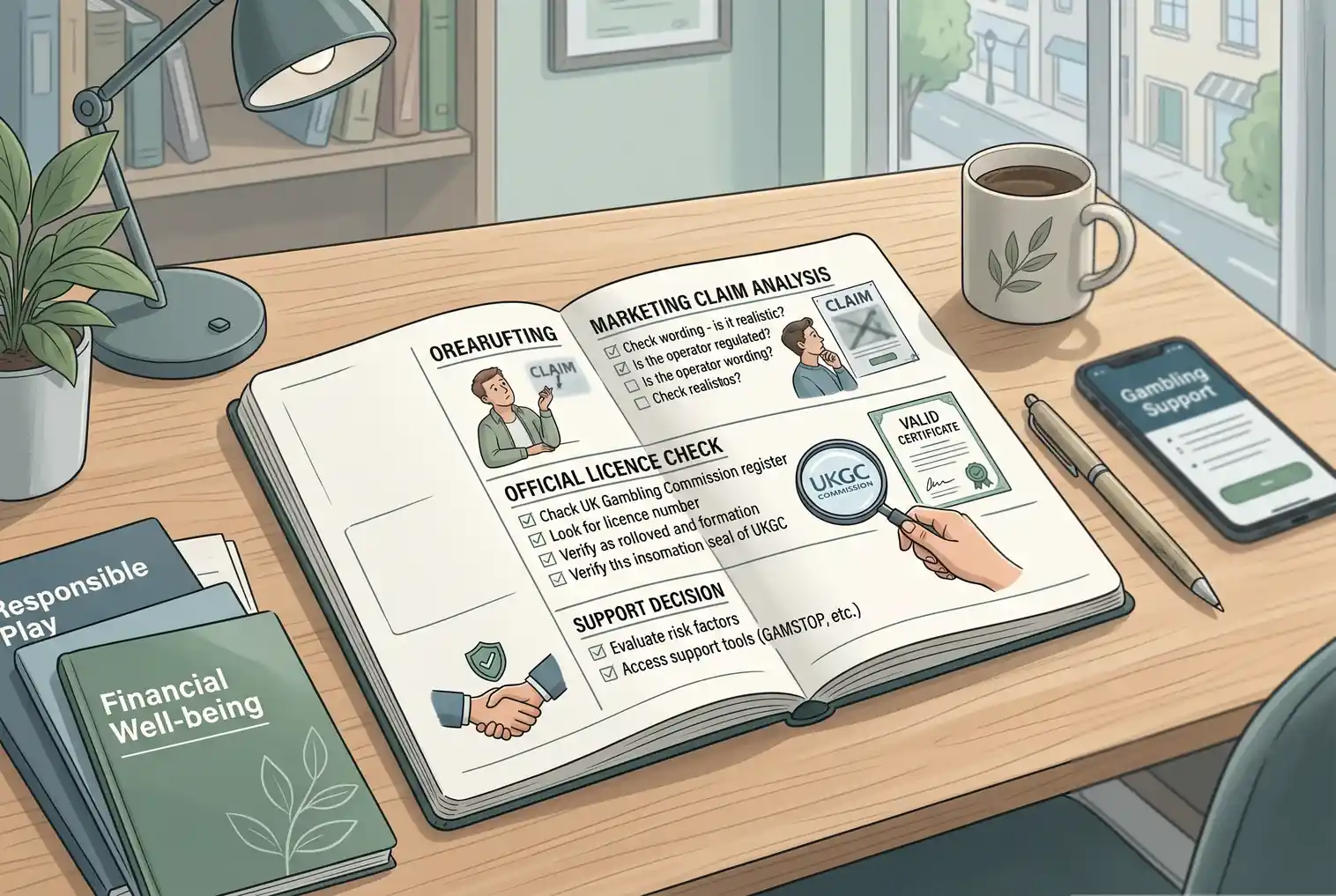
A request deserves extra caution if it arrives through a strange channel, asks for documents unrelated to the stated issue, gives no clear reason, contradicts the site’s own terms, or pressures you to keep depositing while a withdrawal is delayed. You should also be cautious if the business name, trading name or domain does not match what you previously checked in the official register.
Keep the tone of your replies factual. Ask what rule or term the request relies on, what exact document is required, how it should be submitted securely and whether the account or withdrawal is paused while the review happens. You do not need to turn the message into a legal argument. A clear paper trail is usually more useful than dramatic wording.
What to do if the delay turns into a complaint
If the issue becomes a real dispute, move from support-chat mode to complaint mode. That usually means following the gambling business’s own complaints procedure first, using the details it provides, and keeping a complete record of each step. Do not jump straight to public accusations without preserving the basic evidence.
The complaints page explains the escalation route in more detail, including the role of alternative dispute resolution after an unresolved or unsatisfactory complaint has gone through the required process. This page only covers the verification and withdrawal evidence that can make that later step clearer.
Remember that playing on independent casino sites requires extra vigilance regarding identity verification processes.
Safety note if verification is the reason you are searching
If you are trying to avoid ID checks because gambling has become difficult to control, because a self-exclusion is in place, or because you are afraid of someone seeing the activity, pause before opening another account. Looking for a less visible route can make the situation worse. Protective tools, bank gambling blocks and support organisations exist for moments when access is the problem, not the solution.