Best Bonus Buy Slots UK: Features and How They Work
Bonus buys provide direct entry to a slot’s bonus round for a set price, while leaving the outcome uncertain.
 Available in GB
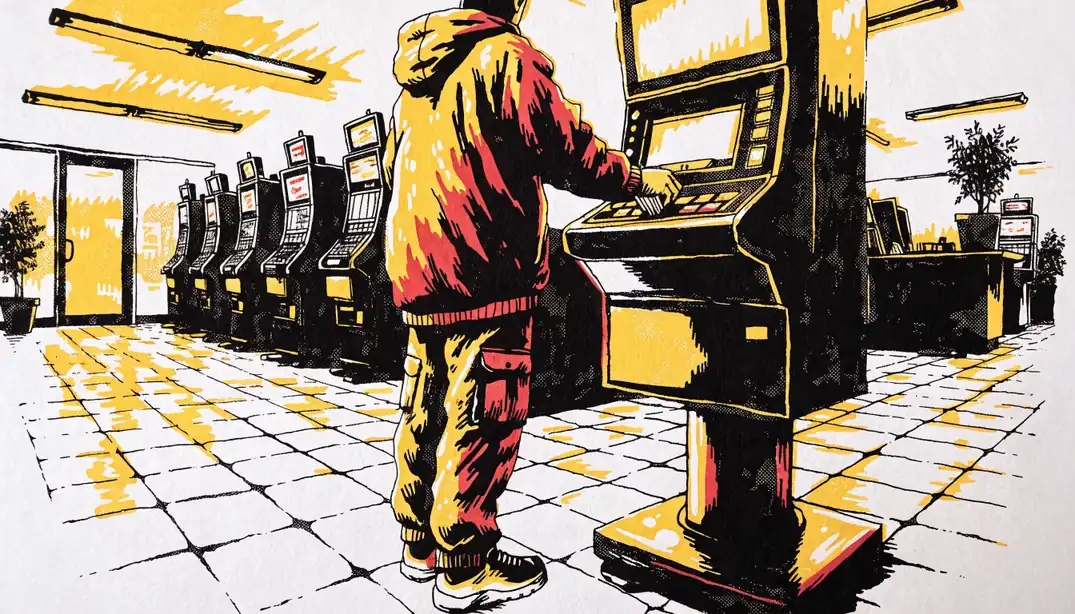
How Bonus Buys Change a Slot Session
A bonus-buy feature lets a player pay for direct entry to a slot’s bonus round instead of waiting for that round to arrive during ordinary spins. The purchase changes the route through the game, not the underlying odds. A bonus can start sooner, but that does not mean it is more likely to produce a return greater than its cost.
In a standard session, each spin has its own outcome. A qualifying symbol combination or other game condition may trigger a bonus, but there is no promise about when it will happen. The waiting is part of the experience: the player pays for regular spins and accepts that the feature might appear early, late or not at all during the session.
A buy option removes that particular uncertainty by setting a price for entry. Once selected, the game moves into its bonus mode without requiring the player to first land the trigger through ordinary play. That can make a session feel more directed. It also concentrates the stake: rather than spreading play across regular spins while hoping for a feature, the player commits to a single purchase whose outcome is still uncertain.
That distinction matters when assessing what a bonus buy actually offers. It sells access to a game state, not a guaranteed win. A bonus round can include multipliers, free spins or other mechanics, depending on the title, but its rewards remain subject to the game’s rules and random outcomes. The feature may end with a return below the purchase price, including no meaningful return at all. The word “buy” can sound like buying a result. It is buying entry.
A different pace, not a different certainty
The ordinary route and the purchased route can feel unlike one another. Waiting for a trigger creates a longer sequence of small decisions: continue spinning, stop, or change the stake. Buying entry skips that waiting and puts the bonus outcome immediately in focus. In my experience, that change in pace is often the main practical difference. It makes the session more concentrated, but not more predictable.
Best Fast Payout Online Casinos in the UK
There is also a difference in how costs are experienced. With ordinary play, spending accumulates across spins and may be easy to lose sight of while attention shifts to near-misses and feature symbols. A bonus purchase makes the commitment more visible at the moment it is made. That clarity is useful, but it does not make the price safer or the outcome better. A large, visible stake can be gone just as quickly as a series of smaller ones.
A player comparing a buy option with waiting for a feature should therefore compare the whole cost and the game’s stated mechanics, not just the potential prize shown in promotional material. A headline win is an illustration of what may happen, not a forecast of what will happen in a particular session. The same applies to a bonus animation that presents an award as dramatic: presentation is not probability.
What the feature cannot change
The central limit is mathematical. A slot’s house edge describes the advantage built into its rules over repeated play. Where that edge is positive, the player’s expected result trends negative as play extends across enough sessions. The rate at which losses appear can differ; the direction of the long-run expectation does not reverse because a bonus was purchased.
This can be easy to miss because bonus rounds often create sharp swings. A purchase may produce a strong result, while another produces little. A short run can look unlike the underlying expectation, and a memorable win can dominate the memory of several weaker outcomes. Neither a good session nor a poor one proves that the feature has changed the game’s long-run maths.
The buy price and the possible bonus outcome also need to be understood as parts of the same proposition. Paying more for entry does not, by itself, establish that the resulting round has better value. The only meaningful comparison is between the stated cost, the game’s rules and the distribution of possible outcomes. If that information is unclear, promotional language cannot fill the gap.
A bonus-buy feature lets a player pay for direct entry to a slot’s bonus round instead of waiting for that round to arrive during ordinary spins.
For anyone asking what a bonus-buy slot is, the plain answer is a slot that offers paid access to a bonus feature before ordinary play triggers it. It can shorten the route to the feature and make the session more immediate. It cannot remove randomness, turn a losing expectation into a winning one, or make a particular bonus pay out. That is the boundary.
Bonus-Buy Slots: What the UK Rules Mean in Practice
A bonus-buy option changes when a slot’s feature begins, not the rules governing the stake. In Great Britain, online slots fall under a per-game-cycle stake limit. The limit depends on the player’s age: it is £2 for customers aged 18 to 24 and £5 for those aged 25 or older. A feature purchase does not create a separate allowance outside that cap.
That distinction matters because a buy button can make the cost feel unlike an ordinary spin. It may be displayed as a single price for access to a bonus round, rather than as a familiar stake followed by a spin. But the presentation does not turn the purchase into a different category of gambling. The relevant question is what the game cycle costs and whether that amount stays within the applicable limit.
I have seen how interface wording can shape the way a stake is perceived. “Unlock” sounds like a one-off access fee; in practice, the player is committing money to a game outcome. “Instant bonus” describes timing, not value. The feature may start immediately, but the result remains uncertain, and the purchase is still part of the slot’s play.
Best Video Slots UK: Reels, Bets and Volatility
The game cycle is the important unit
The cap applies to the amount staked in a game cycle, rather than to the label attached to a button. With a standard spin, the connection between stake and cycle is easy to recognise: a stake is placed, the reels run, and the cycle ends when the result is settled. With a bonus buy, the sequence may begin at the feature itself, so the interface can make the transaction appear separate from an ordinary spin.
That difference in presentation is not a reason to assume the cap no longer applies. A buy feature is still a way of staking on an online slot. The amount charged to enter it needs to be understood against the relevant per-cycle limit. If a game offers different feature prices, each choice should be considered as a stake, not as a harmless add-on.
The distinction also helps separate a game’s mechanics from its marketing. A buy option can shorten the wait for a bonus, but it does not make the bonus more predictable or improve the underlying mathematics. The game’s stated rules remain important: they explain what is being purchased, how the round works and how its outcome is determined. Reading that information is more useful than treating the purchase button as a shortcut to a known return.
Stake Limits
In Great Britain, online slots fall under a per-game-cycle stake limit based on age: £2 for 18–24 year olds and £5 for those 25 or older.
Age affects the permitted stake
The age-based limits mean that the same slot interface may not offer the same permissible stake to every adult player. Customers aged 18 to 24 are subject to the lower cap, while customers aged 25 and over are covered by the higher one. This is not a distinction between bonus-buy and non-bonus-buy games; it is a distinction applied to online slot stakes by age.
For a bonus feature, that has a practical consequence: a displayed purchase price cannot be assessed in isolation from the player’s applicable limit. Where the feature price exceeds the permitted stake for that player, it is not made acceptable simply because the game describes it as a bonus entry. The price, the game cycle and the age-based cap have to be read together.
I would treat unclear wording as a reason to pause rather than infer that a purchase sits outside the rules. Slot interfaces can be compact, while the terms behind a feature may be more detailed. The useful check is whether the cost is plainly identified and whether the game’s information explains how the feature purchase fits into play. A vague label is not an explanation.
Minimum spin time still matters
Online slot play in Britain also has a minimum duration for each game cycle. At least 2.5 seconds must pass from the start of one cycle before another can begin. A bonus-buy feature does not remove that timing requirement. Choosing a feature may change the route into a bonus round, but it does not permit a slot to bypass the required interval between cycles.
Best 3-Reel Slots UK: Layout, Rules and Odds
This can be easy to miss because the feature appears to accelerate the session: the player does not wait for the bonus to arrive through ordinary spins. Yet quicker access to a bonus and faster cycling through game rounds are separate things. The first is a design choice; the second remains subject to the rules for online slots.
The same distinction applies to autoplay. Online slot autoplay is banned in Britain, so a feature purchase should not be confused with permission for the game to run repeated cycles without the player’s active involvement. A button that starts a particular bonus round is not a licence for an automatic sequence of further wagers.
For anyone assessing bonus-buy slots in the UK, the rules are therefore part of the feature’s price and pace, not fine print detached from the game. The age-based stake ceiling sets the financial boundary for each cycle, while the minimum duration constrains how quickly another cycle can begin. The buy option changes access. It does not suspend either rule.
Top online casinos in the UK
- AmunbetBonus: Join now and get 450% up to 2,700 GBP + 450 FS · Payout speed: 1-3 business days
- Revery PlayBonus: 100% up to€1,000+ 100 FS · Payout speed: 1-3 business days
- SpinFormulaBonus: 550% Up To £15,000 + 550 FS · Payout speed: 1-3 business days
- BeOnBetBonus: 100% up to €500 + 100 FS · Payout speed: 1-3 business days
- SlotoSportBonus: 500% up to £ 10 200+ 777 FS · Payout speed: 1-3 business days
- EvoSpinBonus: 125% up to €2500 + 125 Free Spins · Payout speed: 1-3 business days
- ZombillionBonus: Welcome Pack 250% up to £4000 + 200 FS · Payout speed: 1-3 business days
How to Find the Buy Feature on a Slot Machine
A bonus-buy control is part of the slot’s own interface, but its position and label depend on the game. I start by checking the play screen rather than assuming every machine uses the same icon or menu. The control may sit beside the spin button, appear among the game’s feature options, or be accessible through a menu. Its absence from the main screen does not, by itself, tell me whether the game includes the feature.
Do
- Check the game’s information panel or rules screen
- Look for a dedicated button or feature menu
- Read the full terms in the rules panel
Don’t
- Assume availability from the game theme or artwork
- Infer availability just from seeing a 5 reel layout
- Guess the function from a single symbol
The clearest confirmation is the game’s information panel or rules screen. These typically explain whether a bonus can be purchased and how the option is presented. Some games show a dedicated button; others reveal the purchase option only after opening a feature menu. A label such as “Bonus Buy” is direct, while wording such as “feature purchase” may describe the same kind of control. The name is marketing. The rules panel is the useful part.
A purchase control should be distinguishable from the ordinary spin control. Selecting it may open a confirmation screen or display the purchase terms before the game proceeds. That pause matters: it gives a chance to see which feature is being selected and what the game proposes to do. If a screen displays several bonus choices, each may represent a different game feature, so the label and accompanying rules need to be read together rather than inferred from artwork.
The layout of the reels is a separate matter from where the buy option appears. A 5 reel slot game may let a bet apply across all five reels, while the interface displays the reels, paylines and stake controls in different areas. The fact that a bet covers all five reels does not mean a bonus-buy option is available, nor does seeing a buy button establish how the regular bet is distributed. Those are different parts of the game setup.
Best Low Volatility Slots UK: How They Play
I look for a clear breakdown of the ordinary stake and the feature purchase before treating the screen as self-explanatory. The game may present the buy option as a separate choice, but the way it describes the amount and the feature should still be legible. If the wording is compressed into an icon or a short label, the information panel should provide the fuller explanation. Guessing from a symbol is a poor substitute.
A familiar reel layout is not enough to identify a game with a bonus-buy feature. Some games show feature symbols or bonus-round artwork on the reels without offering a direct purchase option. Others make the option visible in a menu rather than on the main play screen. I would not infer availability from the theme, the number of reels, or a feature illustration. The game’s own rules are the reliable place to confirm what controls it actually offers.
It also helps to separate game selection from the purchase action. A casino’s slot lobby may include filters or descriptions, but those are not the same as the controls inside an individual game. Once a title is open, its interface and help pages establish whether the option exists and how it is described. That is why a general label in a lobby should be treated as a starting point, not as a substitute for checking the selected game.
If the option is available, the sequence is generally visible within the game: locate the feature control, review the displayed terms, then confirm only if the choice is understood. The exact wording and screen arrangement vary by title, so a universal instruction such as “press the button beside spin” would be misleading. On one interface that may be the right area; on another, the control may be tucked into a menu. The rules screen resolves the ambiguity.
Demo Mode
A demo mode is a tool for understanding game mechanics and interface, not a way to predict future returns.
I pay particular attention to whether the purchase screen makes clear which bonus is being selected. A game can offer more than one feature, or present a choice between a regular spin and a feature route. A button’s colour or placement is not an explanation. The displayed description should connect the control to the feature, rather than leaving the player to work it out from animation or shorthand.
Where the interface remains unclear, I close the purchase prompt and return to the rules rather than proceeding by trial and error. This is not a question of learning a universal button combination; there isn’t one. The practical method is to identify the game’s own help panel, confirm whether a buy option is listed, and match that description to the control shown on screen. Small distinction. Big difference.
Trying Bonus-Buy Slots in Demo Mode
A demo version is useful for seeing how a bonus-buy feature behaves before real money is involved. It runs on a balance of fake credits: those credits cannot be withdrawn, and any wins in the demo are not paid out. That distinction matters. A screen can look identical to its real-money counterpart without giving the session any cash value.
I use free play to learn the sequence of events, not to estimate what a paid session will return. The demo can show how a bonus begins, what choices appear during it and how the game displays its result. It cannot turn an uncashed balance into evidence of likely income. A few favourable rounds in a free demo are simply rounds generated for that mode.
Best High RTP Slots UK: How RTP Really Works
What the demo can show
A slot’s free version can make its rules easier to follow. It may reveal the symbols used for the bonus, how the feature is entered, and how a round progresses after it starts. If the game offers a choice of bonus options, the demo is a low-pressure way to inspect what each option changes on screen.
The buy feature itself is worth examining as a process. The demo can show where its control appears, what confirmation screen is used and what happens after the selection. That helps distinguish an actual feature from a promotional label. If the interface displays a cost in demo credits, that is part of the simulation, not a price that can be translated into a real-money recommendation.
I also watch for the game’s explanations. Paytables and information panels can clarify which symbols contribute to a feature and whether a bonus round uses a different set of rules from the base game. Reading those screens is more useful than judging a slot by its animations. A bright sequence can make an ordinary outcome feel momentous. The rules tell more.
A demo can also be used to see how the game handles ordinary spins around the feature. That gives a sense of the pace and presentation, although it does not establish how often a bonus will appear in a future real-money session. The experience may be helpful for familiarity, but it is not a forecast.
Attention Demo winnings are not paid out and the balance is purely artificial.
What free play cannot establish
A free demo is not a sample of guaranteed outcomes for paid play. The balance is artificial, there is no withdrawal, and a win on the screen does not become a payout. Nor does a long losing run in demo mode prove that a bonus is “due” next. Each displayed result belongs to the game’s simulated session.
This is where I have seen players draw the wrong conclusion. They try a bonus-buy slot for free, land a striking feature, and start treating that moment as a preview of what a paid purchase will deliver. It is only a demonstration of how the feature can look and operate. It says nothing reliable about the return from another session.
The same caution applies to the apparent speed of play. Free versions can make it easy to keep clicking because no money is being spent. That can be useful when checking controls, but it does not reproduce the financial pressure of staking real money. A demo session is therefore poor preparation for deciding how much to spend. It tests familiarity, not affordability.
Some free-play versions may not expose every setting or screen in the same way as the real-money game. Where the bonus-buy control is unavailable, the demo still may show the base game and bonus presentation, but it cannot be used to inspect a feature that it does not offer. The absence of a control in a particular demo is not a reason to assume how the paid version works.
Best High-Volatility Slots UK: How They Play
A practical way to test a slot
I keep the test narrow. First, I read the game information and identify what the bonus is meant to do. Then I try the free version to observe the sequence: how the feature is selected, what appears when it begins, and how the game reports the result. If the demo allows the buy option, I check its interface and the choices it presents without attaching financial meaning to the fake balance.
After that, I stop treating the result as a scorecard. A demo can answer interface questions: whether the rules are understandable, whether the feature’s presentation is clear, and whether the game is enjoyable to watch. It cannot answer whether a paid bonus will return more than it costs, or whether a particular session will be profitable. Those are different questions.
It helps to note any terminology that remains unclear. A game may use a special name for a feature or display a multiplier in a way that is easy to misread. The information panel should be checked against what appears during play. If the two seem inconsistent, the demo is a prompt to inspect the rules more carefully, not a basis for assuming the more favourable interpretation.
I would also separate curiosity from intention. Trying a feature in free play does not commit anyone to buying it later. The point is to understand what the game is doing before real money enters the picture. If the demo is entertaining, that is still entertainment with no cash payout attached.
Casino Verification
- Verify the operator’s UK Gambling Commission licence
- Check that the business name matches the register
- Locate and test account-level financial limits
- Confirm accessible safer-gambling and self-exclusion tools
- Review the internal complaints and ADR process
Keeping the distinction clear
Free bonus-buy slots in the UK are best understood as inspection tools. They let a player explore game mechanics without placing a real-money stake, while the fake credits and unpaid outcomes keep the exercise separate from gambling for money. That separation should stay explicit, especially when a demo presents wins with the same celebratory graphics as a paid game.
A polished presentation can blur the line. The balance may rise, sound effects may signal a win, and a bonus may finish with a large figure on screen. None of that changes the status of the session: demo credits are not cash, and demo winnings are not paid. The visual language is borrowed from the real-money product. The value is not.
For me, a useful demo ends when the basic questions are answered: what the feature does on screen, how its choices are explained, and whether the rules make sense. Continuing in the hope that free results will reveal a winning pattern adds nothing dependable. A demo can make a slot easier to understand. It cannot make its outcomes predictable.
Choosing a UK Casino for Bonus-Buy Play
A casino can list slots with a buy feature and still be a poor place to open an account. The feature tells little about the operator behind the lobby. I assess the licence, the account controls and the route for resolving a dispute before looking at what a site advertises. The wording matters: “trusted” is a claim; a verifiable licence and usable controls are things that can be checked.
Best Online Slots Payout Percentage Explained
Start with the licence, not the lobby
The UK Gambling Commission regulates commercial gambling in Great Britain, including remote gambling offered to people there. The operator’s location or the location of its key equipment does not remove that requirement. The Commission issues operating licences to businesses and personal licences to individuals working in regulated roles; for a customer assessing a casino, the relevant starting point is the business’s operating licence.
Before depositing, find the casino’s legal operator and check its licence number against the Commission’s public register. A logo or a line in the footer is not the same as a register entry. The business name shown in the casino’s terms may differ from the brand on the home page, so those details need to correspond. I treat a mismatch as a reason to pause rather than assume it is a harmless naming quirk.
A UK-facing casino bonus-buy offer should sit within that same regulatory framework. A familiar game title, polished design or claim that a site is “UK-friendly” does not establish that the business is licensed to serve British customers. The Commission is the sole regulator for commercial gambling in Great Britain, so a claim of another regulator’s oversight is not a substitute for a current UK operating licence.
This is basic due diligence. Not a badge hunt.
Check how the account works
A casino’s account controls reveal more than its promotional copy. UK-licensed operators must prompt new customers to set a financial limit before the first deposit and provide accessible account-level limit controls. I look for a clear route to set and change limits in the account area, not a control buried behind several pages of promotional material.
Do bonus buys change the house edge?
No, a bonus buy changes the route through the game, not the underlying mathematical odds or the house edge.
Can I use a credit card at UK casinos?
No, UK-licensed casinos cannot accept credit cards for gambling.
Do slot stake limits apply to live roulette?
No, Great Britain’s online slot stake limits do not apply to roulette or blackjack.
The practical test is whether the controls are easy to find before play begins and whether the account explains what each one affects. Deposit, spend or loss controls may be presented in different ways, so the labels and terms should make their operation clear. A limit that exists only in a help article is less useful than one that can be managed directly from the account.
Age checks belong in this assessment too. Operators must verify a customer’s age before allowing a deposit into a gambling account. That check is part of the operator’s obligation, not an optional extra that a casino can replace with a statement that customers are responsible for themselves.
Payment options also have a regulatory boundary. UK-licensed casinos cannot accept credit cards for gambling, including credit-card funding routed through a money service business. They cannot accept a wallet payment where the wallet lets credit-card funds be used for gambling either. A payment method’s presence in a cashier does not, by itself, prove that every route into it is permitted. The operator remains responsible for applying the restrictions.
On the other side of the account, the availability of controls matters when play needs to stop. UKGC-licensed casinos must provide safer-gambling tools, including self-exclusion. I check that the relevant controls are described plainly and accessible from the account, rather than relying on a general promise to “play responsibly”. Fine words do not close an account.
Read the terms as operating instructions
Promotional language can make a casino sound simpler than it is. “Instant access” describes a sales pitch, not how account checks or withdrawals are handled. The terms should identify the operator, explain account requirements and set out how customers can contact the business about a problem. If the wording is difficult to locate or unclear about who is responsible, that is relevant information about the operator’s service.
Best First Deposit Bonus Casinos in the UK
Bonuses need separate scrutiny from the casino’s licence. A promotion may come with conditions that affect whether an offer is useful, and a headline should not be mistaken for the full terms. One specialist review describes casino bonuses as commonly having a 48-hour lifespan; because that timing can vary and is not a general rule, the operator’s own terms are the place to establish the expiry for a particular offer. The same principle applies to other conditions: rely on the terms attached to that promotion, not on a broad claim elsewhere on the site.
That distinction matters for online bonus-buy play. A promotion may be presented alongside a slot, but it does not change who operates the account or remove the need to understand the account rules. I separate the attraction of the offer from the conditions that govern it. Otherwise, the advertisement does the explaining.
Know where a complaint can go
A licensed casino must provide an internal complaints process and access to an approved Alternative Dispute Resolution service. The casino should explain how to raise a complaint internally and identify the ADR route available if the issue is not resolved. I look for those details before an account is funded, when there is no dispute clouding the decision.
A complaints process is not a promise that every disagreement will be decided in the customer’s favour. It is a defined route for having the matter reviewed. Keep the casino’s terms and relevant account communications available, and use the procedure the operator sets out. If the operator does not make the process clear, the lack of clarity itself is a reason to take care.
The Commission’s role is regulatory; an ADR service deals with eligible disputes between a customer and an operator. Those are not interchangeable functions. A casino’s compliance with its licensing obligations and the handling of a particular complaint are related, but they are not the same question.
Make the decision before the first deposit
My order is straightforward: identify the legal operator, verify its current UK Gambling Commission licence on the public register, inspect the account limits and safer-gambling tools, then read the payment and complaints information. Only after those checks would I consider whether the casino’s selection of slots is relevant.
For a casino with bonus-buy slots, the feature can make a site look distinctive, but it is not evidence of sound account management. The operator must still meet its obligations around age verification, financial limits, permitted payments, self-exclusion and complaints. A site that makes those protections hard to find has failed a more important test than whether its lobby carries a particular slot.
No shortcut here.
Live Casino Games and the Limits of Slot Advice
A casino lobby may place live roulette and blackjack beside slots, but the shared menu does not make them the same kind of game. A live table is presented by a human dealer, with rounds unfolding through a streamed studio or table setting. A slot runs through its own game software. There is no bonus-buy control in a roulette round or a blackjack hand.
Casino Games: Slots, Table Games and Live Casino
That distinction matters when promotional language groups everything under “casino games”. The label describes a category, not a shared set of rules. A feature that starts a slot bonus round cannot be carried over to a table game, and advice about slot volatility or reels says nothing useful about how a roulette bet is settled.
The stake rules also differ. A specialist review of UK gambling rules says Great Britain’s online slot stake limits do not apply to roulette or blackjack. That is a boundary between game types, not an invitation to assume table play has no other terms or controls. The rules and available options for a specific table should be read in that game’s own information.
Roulette has a fixed wheel and a ball; the choice is where to place a stake before the ball is released. European and French wheels have a green zero alongside the numbered pockets, while an American wheel adds a double zero. That extra pocket changes the structure of the wheel, not the game into a slot. Blackjack instead centres on a player’s hand against the dealer’s, with decisions made during the hand. Neither format uses reels, paylines or a purchased bonus round.
I have seen casino menus blur these boundaries because one lobby can present products from different studios in a single catalogue. It makes browsing look seamless. The mechanics are not. A new bonus-buy slot may appear next to a live table, but its release does not alter the table’s rules, and a slot list is not a guide to live games.
For a useful comparison, keep the categories separate: slots are software games with spins and, where offered, bonus features; live casino games reproduce table formats with a dealer and round-based decisions. The same account may hold access to both, but the controls, pace and rules belong to each game type. Different products. Different logic.