UK Casino Sites That Accept Credit Cards: The Rules
UK-licensed casinos cannot accept credit-card funds for gambling, even when a payment is routed through a wallet or another business.
 Available in GB
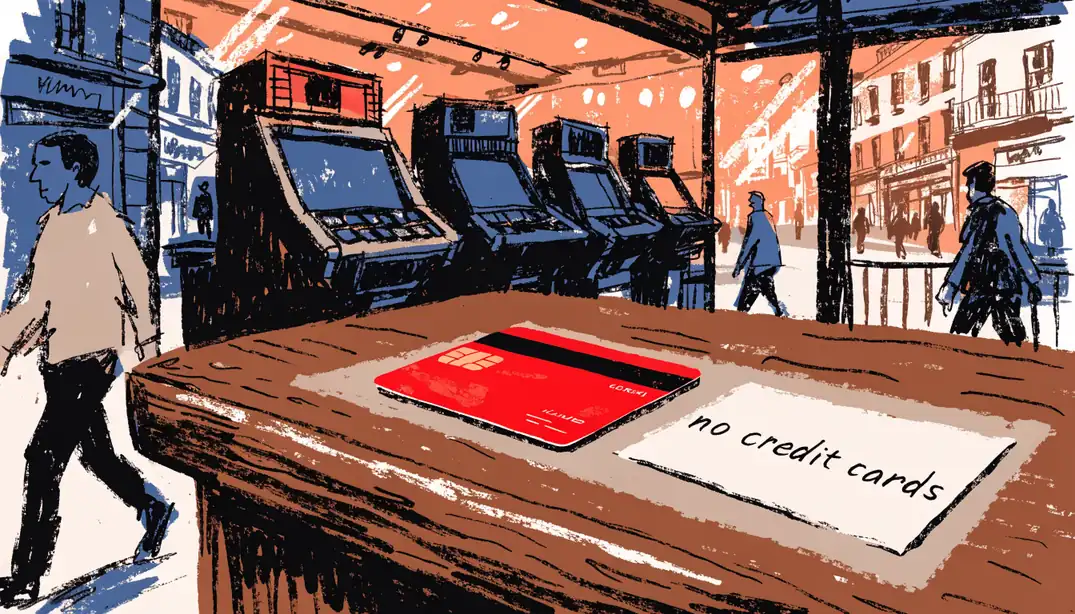
Table of Contents
- Why UK-Licensed Casinos Do Not Take Credit Cards
- Top online casinos in the UK
- What “Credit Card Casino” Claims Mean in Practice
- Deposits and Withdrawals: The Route Matters More Than the Label
- Paying In, Cashing Out and Using One Consistent Account
- Limits, Minimum Deposits and the Real Cost of a Payment
- Playing Slots Does Not Change the Payment Rules
Why UK-Licensed Casinos Do Not Take Credit Cards
Credit cards are not an accepted way to fund gambling at a UK-licensed casino. The restriction applies to credit-card payments for gambling, not merely to a particular card brand or casino cashier design. A payment cannot become permissible simply because it passes through an online wallet or another payment business first.
The UK regulator brought the ban into force on 14 April 2020. It has not since been relaxed. That date matters because some descriptions of casino payments still use broad language such as “cards accepted”. In a British gambling context, that phrase cannot mean that a remote gambling licensee may take a credit-card payment for play. The legal position is narrower and clearer: credit cards cannot fund gambling at a UK-licensed site.
What the restriction covers
The rule is about the source of the money, not the appearance of the payment screen. If the funds used for gambling come from a credit card, routing them through a money service business does not remove the restriction. Nor can an operator accept payment from a wallet when that wallet permits credit-card funds to be used for gambling.
That distinction closes off a route that might otherwise look like a technical workaround. A card payment can be processed by a provider, and a wallet can hold or move money, but the intermediary does not change the underlying credit-card funding. The operator’s responsibility remains tied to what it is accepting for gambling.
It is therefore important to separate a card-shaped payment option from a credit-card payment. Payment labels do not settle the question on their own. The relevant point is whether credit-card funds are being used to place money into gambling activity. If they are, a UK-licensed casino cannot accept that payment.
Why the ban was introduced
The restriction was designed to prevent customers from gambling with borrowed money supplied by credit cards. Credit can make spending less immediate than using funds already available in a bank account. The ban removes that particular source of gambling funds from the licensed market rather than asking each operator to decide whether an individual credit-card transaction looks affordable.
Casino Payments: UK Banking and Crypto Options
That is a regulatory boundary, not a marketing preference. A casino cannot choose to relax it for a customer, a payment provider cannot override it, and a cashier cannot create an exception by listing a credit-card brand. Where a site serves the British market under a UK Gambling Commission licence, its payment arrangements must remain within that boundary.
I have seen payment language treated as a small detail in product copy. It is not. The wording can shape what a customer expects before opening an account, but the operator’s licence conditions still govern what the cashier may actually accept. A promotion or a payment icon cannot amend the rule.
What “accepts cards” can and cannot mean
The phrase “accepts cards” is too broad to establish that a casino takes credit cards. It may refer to a different kind of card payment, or it may describe a payment menu without making clear which card products are eligible. At a UK-licensed casino, it cannot lawfully describe credit-card payments for gambling.
That does not make every mention of a card misleading. The error comes from treating “card” as a single payment category. Credit and debit cards are not interchangeable for this purpose. UK casinos commonly accept debit cards, including Visa and Mastercard, while credit cards remain excluded from gambling payments. The name of a card network alone does not tell the whole story; the card product and its funding source matter.
A site advertising “credit card deposits” should not be treated as evidence that a UK-licensed casino can accept credit-card payments for gambling. The claim may describe a different market, use imprecise wording, or refer to a service that is not operating under a UK Gambling Commission licence. Those possibilities are not the same as a licensed British casino being permitted to take credit-card funds.
The licence is the dividing line
Remote gambling licensees selling into the British market must hold the relevant Gambling Commission licence, regardless of where the business is based. A foreign location does not exempt an operator that is offering real-money gambling to customers in Great Britain from the British licensing requirement. A site outside that system is not a UK-licensed casino, even if its branding, payment page or language is aimed at British customers.
Prohibited Funding
UK-licensed casinos are strictly prohibited from accepting credit-card payments for gambling.
That distinction matters when a site’s payment claims appear to conflict with the ban. The claim does not create an exception to the rule. If an operator says it accepts credit cards for gambling, that statement cannot describe a compliant UK-licensed casino accepting such a payment. The licence status and the actual payment arrangement need to be understood together.
The position is straightforward: since 14 April 2020, UK-licensed casinos have not been allowed to accept credit-card payments for gambling, and the restriction remains in force. Any wording that suggests otherwise should be read carefully, not as proof that the rule has changed. The card label is not the licence.
Top online casinos in the UK
- AmunbetBonus: Join now and get 450% up to 2,700 GBP + 450 FS · Payout speed: 1-3 business days
- Revery PlayBonus: 100% up to€1,000+ 100 FS · Payout speed: 1-3 business days
- SpinFormulaBonus: 550% Up To £15,000 + 550 FS · Payout speed: 1-3 business days
- BeOnBetBonus: 100% up to €500 + 100 FS · Payout speed: 1-3 business days
- SlotoSportBonus: 500% up to £ 10 200+ 777 FS · Payout speed: 1-3 business days
- EvoSpinBonus: 125% up to €2500 + 125 Free Spins · Payout speed: 1-3 business days
- ZombillionBonus: Welcome Pack 250% up to £4000 + 200 FS · Payout speed: 1-3 business days
What “Credit Card Casino” Claims Mean in Practice
A casino described as accepting credit cards can sound like a straightforward payment option: enter card details, make a deposit and play. For a UK-licensed casino, that description is misleading if it means a credit-card payment for gambling. The label may appear on a page or in a cashier, but it does not change what the operator is permitted to process.
In practice, the distinction often turns on the word card. A debit card and a credit card can carry the same Visa or Mastercard branding and look similar at checkout. They are not interchangeable for this purpose. UK casinos commonly accept debit cards, including Visa and Mastercard; that does not mean they accept credit cards. A listing that names a card network without clarifying the card type may leave an important detail unstated.
Casinos That Accept Wirecard in the UK: Payment Checks
The card logo is not the whole story
Payment pages tend to describe methods in compact terms. “Visa” or “Mastercard” identifies a network, not necessarily the funding source of a particular card. A customer may have a debit card linked to a current account or a credit card with borrowing attached. The logo alone does not establish that both products can be used for gambling deposits.
That is why a broad claim about a casino taking cards needs careful interpretation. It may refer to debit cards, to an international service outside the UK regulatory system, or to information that is no longer current. It should not be read as evidence that a UK-licensed operator will accept a credit-card deposit. The practical check is the cashier’s current list of methods and the eligibility conditions shown for the specific card product.
A specialist review that lists Visa and Mastercard, for instance, may be describing the payment networks rather than confirming that credit cards are accepted for gambling. That distinction matters more than the familiar brand names. The cashier is where the operator’s available methods and card-product restrictions are made concrete.
Why the wording can be confusing
The phrase “credit card casino” is often used as shorthand, but it can conceal several different meanings. Some pages use it loosely for casinos that accept cards of any kind. Others may be discussing casinos outside the UK licensing system. A third possibility is that the information is outdated or the page has not separated debit-card acceptance from credit-card restrictions.
Debit Cards
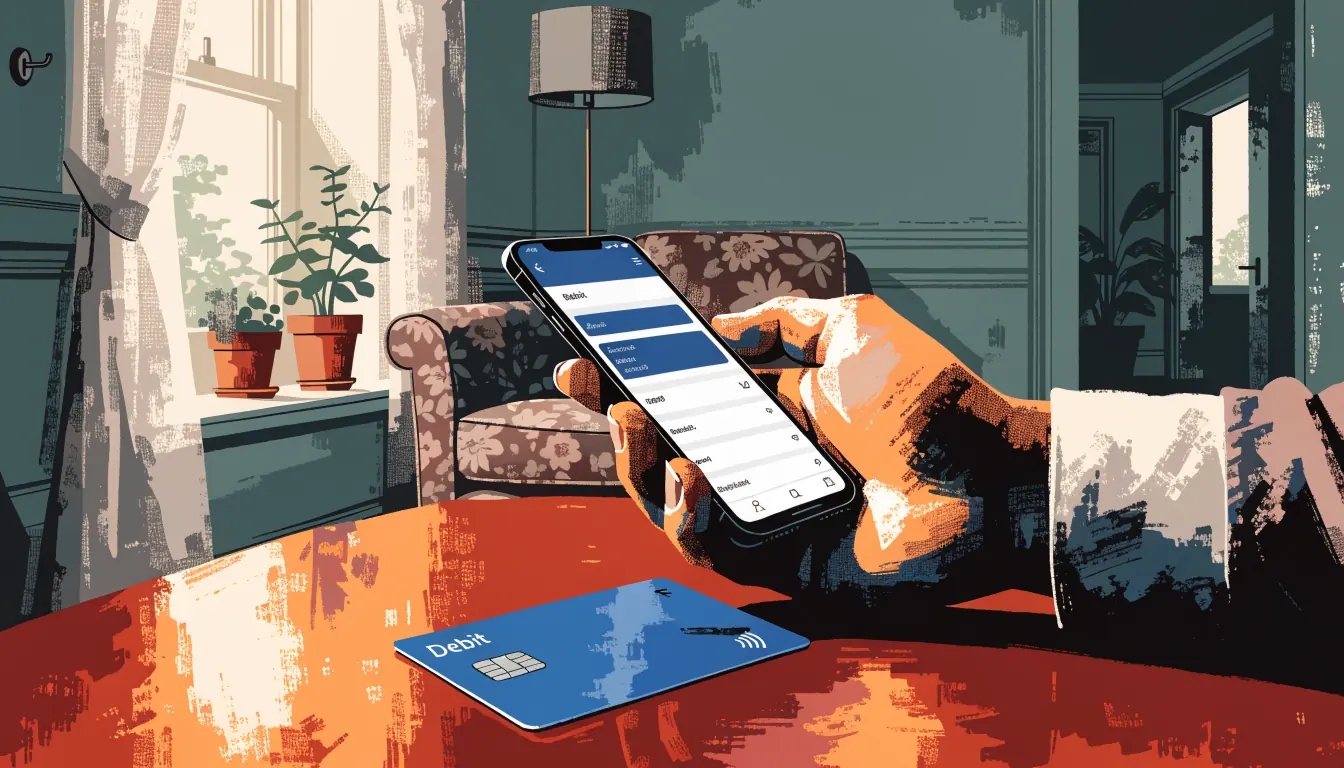
Commonly accepted at UK casinos, including Visa and Mastercard products.
Credit Cards
Excluded from gambling payments at all UK-licensed sites.
E-Wallets
May be used, but cannot be used to route credit-card funds into gambling.
These meanings should not be collapsed into one claim. A UK-licensed casino accepting debit cards is not a UK credit-card casino. A site operating without a UK Gambling Commission licence is also not evidence that credit-card gambling is available through a UK-licensed operator. The licence status and the payment route are separate questions, even when a page puts them beside each other.
I have seen payment descriptions written to maximise coverage of familiar terms. A method label may be accurate in a broad sense while still being incomplete for a customer trying to identify an eligible card. The missing qualification is often the important part. “Card accepted” says little about whether the card is debit or credit, whether a particular product is currently available in the UK, or whether the cashier permits it for that account.
Debit cards are the relevant card alternative
For someone looking for a card-based way to fund a UK casino account, debit cards are the ordinary distinction to look for. Visa and Mastercard debit cards are commonly accepted at UK casinos. Their presence does not create an exception for credit cards, and it does not make every card carrying one of those logos eligible.
That last point is easy to miss in promotional copy. A payment-method page may name a network, while the actual cashier applies product-specific rules. The list shown there can change, and a card that appears to match the network name may still not be available for that transaction. For that reason, a general page about payment options is not a firm statement about current UK availability.
Casino Sites That Accept Jeton in the UK
The language used by an operator can also make a difference. “Debit card” identifies the relevant product more clearly than “card.” “Visa and Mastercard” identifies networks but leaves the funding type open. If a page uses only the network names, its wording should not be expanded into a claim about credit-card deposits.
Wallets do not make a credit-funded deposit acceptable
A wallet can make the payment route look different without changing the underlying funding source. Where a wallet allows credit-card funds to be used for gambling, a UK-licensed operator cannot simply treat the wallet as a workaround for the restriction. Moving money through an intermediary does not turn a credit-funded gambling payment into a permitted debit-card transaction.
This is another reason to look past the method label. A wallet name may appear in a cashier, but that alone does not establish that every funding route into that wallet is eligible. The operator has to account for the rules applying to the payment, not just the name displayed on the final step.
In operational terms, the route matters. A payment can pass through a card provider, a wallet or another service, yet still be credit-funded. The presence of an extra step does not settle whether it is acceptable for gambling. Nor does a page describing a wallet as supported prove that credit-card funding through it is allowed.
What a “best” label can and cannot establish
A page calling certain sites the “best” credit-card casinos may be using the phrase to attract people looking for card payments, while the actual options it describes are debit cards. The label is not a licence category and does not override the rules applied by UK-licensed operators. It may tell little about the precise payment products available.
Marketing Claims
Terms like "credit card casino" often refer to international markets or outdated information and do not apply to UK-licensed operators.
I would read such wording as a prompt to inspect the underlying detail, not as confirmation of credit-card acceptance. Does the page specify debit rather than credit? Does it distinguish UK-licensed operators from sites outside that system? Does the operator’s cashier show the method for UK customers? Without those distinctions, the headline can leave the central issue unresolved.
The same applies to claims about casinos that accept credit-card deposits. If the claim refers to a UK-licensed site, it should not be taken literally as permission to gamble with a credit-card payment. If it refers to a different jurisdiction or an unlicensed site, that is a different proposition and does not describe a UK-licensed casino’s permitted payment options.
The practical reading
The clearest way to interpret card claims is to separate three things: the card network, the card product and the operator’s current cashier options. Visa and Mastercard may appear in a payment list, but that does not mean every Visa or Mastercard product is accepted. Debit-card acceptance is common; credit-card gambling is not an option for UK-licensed casinos.
So a page can be technically talking about cards while giving the wrong impression about credit. The category name is not enough. The actual payment product is what counts.
That is the distinction.
Deposits and Withdrawals: The Route Matters More Than the Label
A payment method’s name says little about how money will move through a casino account. The useful distinction is whether the route can handle deposits, withdrawals, or both. A cashier may show several ways to pay in, while the available cash-out route depends on the payment provider, the account and the operator’s processing rules.
Casinos That Accept Citadel in the UK: What to Check
Debit cards remain a familiar option at UK casinos, with Visa and Mastercard commonly accepted. A card deposit may reach the account quickly, but that does not mean a withdrawal will return at the same speed. The casino must process the payout, and the card issuer or payment network has its own part to play. The visible speed of a deposit is only one stage of the transaction.
Bank transfer and open banking can also support movement in both directions. Specialist reviews describe instant deposits and fast withdrawals at many sites, but this is not a fixed promise across all operators or payment routes. The cashier’s current terms matter: a bank method displayed for deposits should not be assumed to be available for withdrawals without checking the payout options as well.
The distinction is practical, not merely technical. A payment service may make it straightforward to move funds into an account but offer no direct withdrawal route. Paysafecard, for instance, is deposit-only. That can leave the casino needing to pay winnings by another eligible method, with further checks before the change is accepted.
E-wallets also require attention to their precise role. PayPal, Skrill and Neteller may appear in casino cashiers, but availability and withdrawal support are operator-specific. A method’s presence at the deposit stage does not establish that it can receive a payout. Nor does a familiar brand name explain whether a linked wallet or funding source meets the operator’s requirements.
The Payment Route
A deposit method does not guarantee it can be used for withdrawals.
Follow the money, not the logo
In my experience, payment labels are often treated as if they describe a complete journey. They do not. “Instant” generally describes one processing stage, not the whole path from a bank account to a casino balance and back again. A deposit can be credited promptly while a withdrawal waits for the casino’s approval and then takes a different route through a bank or provider.
That internal approval is part of the elapsed time. Withdrawal processing can take longer on a first request while KYC is completed. The casino may need to establish who owns the account and whether the payment details match before releasing funds. A method that appears fast in a promotional panel cannot bypass those checks.
Bank transfers have their own timing conditions. Delivery can be affected by bank cut-off times, weekends and currency conversion. Open banking may offer a direct connection to a bank account, but the particular service and casino determine what happens at each stage. “Bank payment” is not one uniform product; it can describe different payment rails with different deposit and payout arrangements.
There is a further reason cash-outs may not follow the route chosen at deposit. UK anti-money laundering rules generally require payouts to go back to the original payment source. Returning money to that source is also a common anti-fraud control. The aim is to keep the path of funds identifiable, rather than allowing deposits and withdrawals to pass freely between unrelated accounts.
UK Casino Sites That Accept EcoPayz and Payz
This is why a casino can request a different method or further evidence when the original route cannot receive a payout. Alternatives may involve additional verification. The request is not necessarily a sign that the deposit failed; it can reflect the need to establish a suitable destination for the withdrawal and verify its ownership.
Check both directions before paying
The practical check is to separate the cashier’s deposit menu from its withdrawal terms. A payment option listed at the point of deposit may be unavailable for cash-outs, or it may be usable only after the casino confirms the account. The relevant details are usually found in the payment terms and withdrawal information, not in the method’s brand name.
Open banking and bank transfers are worth assessing as complete routes, rather than assuming that a quick deposit means a quick payout. Specialist reviews report that these methods can provide instant deposits and fast withdrawals at many sites; the wording matters. It describes a possibility, not a guaranteed timetable for every casino, bank or transaction.
Debit cards need the same two-way check. Visa and Mastercard are widely used for deposits at UK casinos, but a listed card method does not by itself settle whether a particular card product can receive withdrawals. The cashier and its current terms determine what the operator supports. If a card cannot be used for a payout, the casino may direct the funds through another verified route.
Payment services can add another layer. PayPal, Skrill or Neteller may be available at some operators, but an account with one provider does not automatically make every casino transaction eligible. The casino’s rules, the provider’s capabilities and the account’s verification status all affect whether the same route works for both deposit and withdrawal.
Do
- Use debit cards for deposits and withdrawals.
- Check the cashier for both deposit and withdrawal eligibility.
- Ensure payment account details match your casino account.
Don’t
- Attempt to use credit cards for gambling.
- Assume “instant deposit” means instant withdrawal.
- Rely on payment logos alone to determine the funding source.
A method marked “deposit-only” should be read literally. Paysafecard can fund deposits, but it is not a withdrawal destination. Where winnings are payable, the operator must use an alternative route that it supports and can verify. That may make the final transaction less direct than the initial payment.
The wording around speed deserves similar care. A payment page can describe a transfer as fast, but a payout still passes through casino approval. A specialist review notes that withdrawal speed depends on the operator’s internal process and whether the account is fully verified. First withdrawals may take longer while KYC is completed. The processing clock is not just the time a bank takes to deliver funds.
From behind the counter, the cleanest explanation is that every payment has an entry route and an exit route. Sometimes they are the same; sometimes they are not. The method name is only the start. The withdrawal conditions, source-of-funds checks and account verification determine how the money can come back out.
One route, two stages.
Paying In, Cashing Out and Using One Consistent Account
A deposit and a withdrawal are not always two independent transactions. In a UK-licensed casino, the payment route used to put money in can affect how winnings are returned. This is why a method that appears on a cashier’s deposit screen is not automatically a complete in-and-out option. The casino may have to return funds through the original source, or ask for another route if that is not possible.
The principle behind this is closed-loop control. Returning money to the account that funded play helps an operator check that the payment belongs to the customer and limits the scope for fraud or money laundering. UK anti-money laundering rules generally require payouts to go back to the original payment source. In practice, that can make the original route part of the withdrawal process, even when the cashier presents several alternatives.
Casinos That Accept Upaycard in the UK: Payment Guide
I have seen payment menus read as a catalogue of interchangeable choices. They are not. One route may accept deposits but not withdrawals; another may only be available after the account has been checked. If the original payment method cannot receive a payout, the operator may need to confirm another destination and verify it before releasing funds. The account’s terms and cashier instructions determine the process.
Why matching details matter
A payment method is not just a logo. It is an account or instrument with an owner, and the casino account also has identifying details. When those details point to the same customer, basic ownership checks are less likely to interrupt a transaction. A mismatch can prompt questions or a request for documents, even when the payment itself was successful.
The cleanest route is often one named account used consistently for both deposit and withdrawal. That does not mean every operator handles every method identically, or that a matching name guarantees instant processing. It means fewer obvious discrepancies for the casino to resolve. A payment account held by someone else, or details that do not correspond with the casino account, can make the route harder to verify.
This is especially relevant when a payment provider sits between the customer’s bank and the casino. The provider account still needs to belong to the same customer. Changing providers midstream may also mean the casino has to establish how the original funds should be returned and whether the replacement route is acceptable. A new destination is not automatically a shortcut.
Matching Account Details
Consistency between your payment method and your casino account helps avoid transaction interruptions and ownership queries during the verification process.
A card can be accepted for a deposit while a withdrawal follows a different leg of the process. Card networks and payment providers do not all handle incoming and outgoing transactions in the same way. The operator’s cashier may therefore show a separate withdrawal procedure, or require a bank account or another verified destination. The important distinction is between a route that merely takes money in and one that can also receive a payout under that operator’s rules.
That is why “instant deposit” says little about cashing out. The initial payment can clear quickly, while the operator still has to review the withdrawal and confirm the account details. A first payout may involve KYC checks that were not needed to complete the deposit. I would treat the deposit screen and withdrawal terms as two parts of the same payment route, not as separate promises.
Keep the route legible
Consistency is useful, but it is not a reason to force a method that cannot receive funds. If a payment source is deposit-only, the casino will need another way to return eligible funds. The alternative may involve additional verification, and the account holder may need to show that the receiving details belong to them. Closed-loop rules are about tracing and ownership, not simply keeping the same logo on every screen.
Casinos That Accept eCheck in the UK: Payment Routes
The same logic applies when a wallet or bank account is replaced. A changed account does not by itself prove anything improper, but it can break the simple link between the original deposit and the proposed payout. The operator may ask for evidence of ownership or direct the withdrawal through an approved route. Keeping records of which account funded the casino account can make that explanation more straightforward.
I would also avoid assuming that a card’s presence in a cashier means it is available for every customer or every transaction. Eligibility can depend on the particular product, account status and operator setup. In the UK, that does not create a credit-card route for gambling: UK-licensed casinos cannot accept credit-card payments for gambling, including when the payment is routed through a money service business or a wallet that allows credit-card funds to be used for gambling. Debit-card availability is a different matter.
Before paying in, the practical check is whether the named method is supported for both directions and whether its account details match the casino account. That check is narrower than comparing all payment methods, but it prevents a common misunderstanding: deposit success is not proof that a later payout can be sent to any destination. The source and the owner matter.
A consistent route also gives the casino a clearer transaction record. If a payout is delayed, that does not necessarily mean the payment method has failed; the operator may still be completing its checks or resolving the destination. Where ownership details line up and the route is supported both ways, there is less basic friction to clear. Not a guarantee. A cleaner file.
Final Summary
- UK-licensed casinos cannot accept credit-card funds for gambling.
- Always verify if a payment method supports both deposits and withdrawals.
- Account verification and KYC are essential parts of the payout process.
- Slot play remains subject to strict stake limits regardless of the payment method used.
Limits, Minimum Deposits and the Real Cost of a Payment
A deposit threshold is not the same as a spending limit. The first is the smallest amount a cashier will accept through a chosen method; the second may be set for an account or imposed by the payment route. Casino terms and cashier screens can set different minimums, while maximum deposits may apply per transaction, day or month and can depend on the method and account status.
A specialist review places many minimum deposits in the £10–£20 range, but that is not a fixed market rule. The amount shown at the cashier is the one that matters for the selected method. I have seen small differences change the practical cost of a payment: a low threshold may suit a modest deposit, while a higher one can leave more money tied up in the gambling account than intended.
Account controls are separate. UK rules mean remote gambling licensees must invite a new customer to choose a financial limit before the first deposit and make account-level limit settings accessible. These controls concern budgeting, not what a bank or payment provider will approve.
Then there is the price of moving the money. A payment can carry a casino charge, a provider fee, a card issuer or bank fee, currency conversion costs, or a network fee. Which party charges what depends on the route and the transaction; a cashier showing no fee does not establish that every intermediary is free.
Currency conversion deserves particular attention. If the account is not held in pounds sterling, a provider or bank may convert the payment at its own rate. A specialist review notes that the exchange-rate spread can outweigh a visible flat charge. The difference may be built into the rate rather than displayed as a separate line.
There is no single payment method that is cheapest for every amount. Compare the casino’s stated charge with provider, bank and network costs, then account for any conversion spread on the transaction itself. The useful figure is the total taken from the source account against the amount credited to the casino balance—not one fee in isolation.
Casinos That Accept Mastercard in the UK
In practice, I treat the cashier’s minimum, the account’s deposit controls and the full transaction cost as separate checks. That keeps a small advertised charge from obscuring a more expensive exchange rate or a method-specific threshold. No headline label settles the real cost.
Playing Slots Does Not Change the Payment Rules
The game catalogue does not create a payment exception. A UK-licensed casino cannot accept credit-card payments for gambling on slots, just as it cannot accept them for other casino games. The ban took effect on 14 April 2020 and has not been relaxed. Changing from table games to reels does not change the rule.
I have seen payment language blur that point: a site may mention cards in general, while the cashier applies the restrictions relevant to the account and transaction. The useful distinction is between a credit card and a debit card. UK casinos commonly accept debit cards, including Visa and Mastercard, but that does not make credit-card gambling permissible. The card type matters; the slot title does not.
Slot play also has rules of its own, separate from how an account is funded. In Britain, autoplay is banned, and each online slot spin must last at least 2.5 seconds. Stake limits apply per game cycle: the maximum is £5 for customers aged 25 and over, and £2 for those aged 18 to 24. The £5 limit for all adults came into effect on 9 April 2025.
Those controls govern the game, not the payment rail. A compliant slot spin does not make a prohibited credit-card deposit acceptable, and a debit-card deposit does not remove the slot restrictions. They are separate checks, applied at different points in the customer journey.
That separation is easy to miss in promotional wording. “Play slots with a card” can refer to a permitted debit card; it is not evidence that a UK-licensed casino accepts credit cards for slot gambling. When I assess the wording, I treat the cashier’s card classification and the game’s stake controls as distinct matters. No slot-specific workaround.
Why must withdrawals return to the deposit method?
Returning funds to the original payment source is a common anti-fraud and anti-money-laundering control. Using a different route may require additional verification.
Do UK casino withdrawals require verification?
Yes, verification may be needed, particularly before a first withdrawal. An account that is not fully verified can also slow down a payout.
Can I use a credit card at 333 Casino in Great Britain?
No, a UK-licensed casino cannot accept credit-card payments for gambling. Debit-card eligibility is a separate matter.
Why can a fast payout casino still delay my withdrawal?
A casino must approve the withdrawal internally, and verification—especially for a first payout—can take additional time. The payment method and, for bank transfers, cut-off times and weekends can also affect delivery.
What is the current minimum deposit?
Minimum deposits usually start at £10–£20, depending on the payment method.
Are fast casino withdrawals guaranteed?
No. Withdrawal speed depends on the casino’s approval process and whether your account is fully verified, as well as the payment route.