Casino Dice Games in the UK: Rules and Formats
Dice may feature in dealer-managed table games or machine-led play, and the format affects how the game is run and wagered on.
 Available in GB
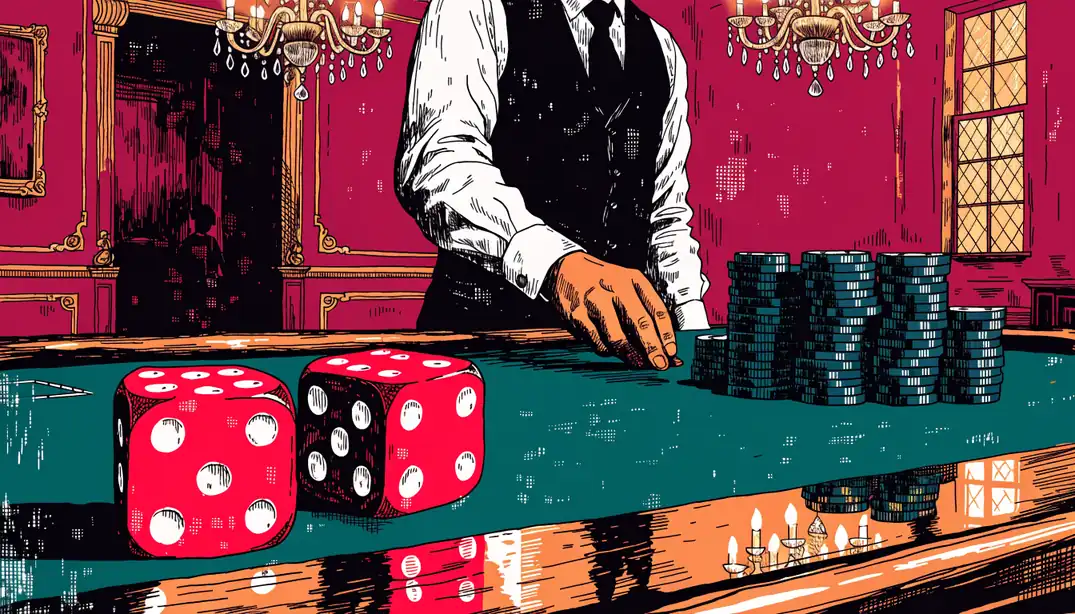
Table of Contents
- How Casino Dice Games Fit into the Wider Casino Floor
- Top online casinos in the UK
- Dice Casinos Online: The UK Market Has Two Rulebooks
- Casino Dice Sites and the Terms Behind the Welcome Offer
- Dice Roll Slots: A Different Kind of Dice Game
- Craps, Crypto and the Limits of What Can Be Verified
- What “Casino Dice” Means in the UK in 2026
- Bitcoin Dice Casinos: Payment Claims Versus the UK Rules
How Casino Dice Games Fit into the Wider Casino Floor
Casino dice games sit within a wider set of games built around wagering on uncertain outcomes. The key distinction is not simply whether dice are visible. It is how the game is run, who sets the result, and how the casino earns from the action.
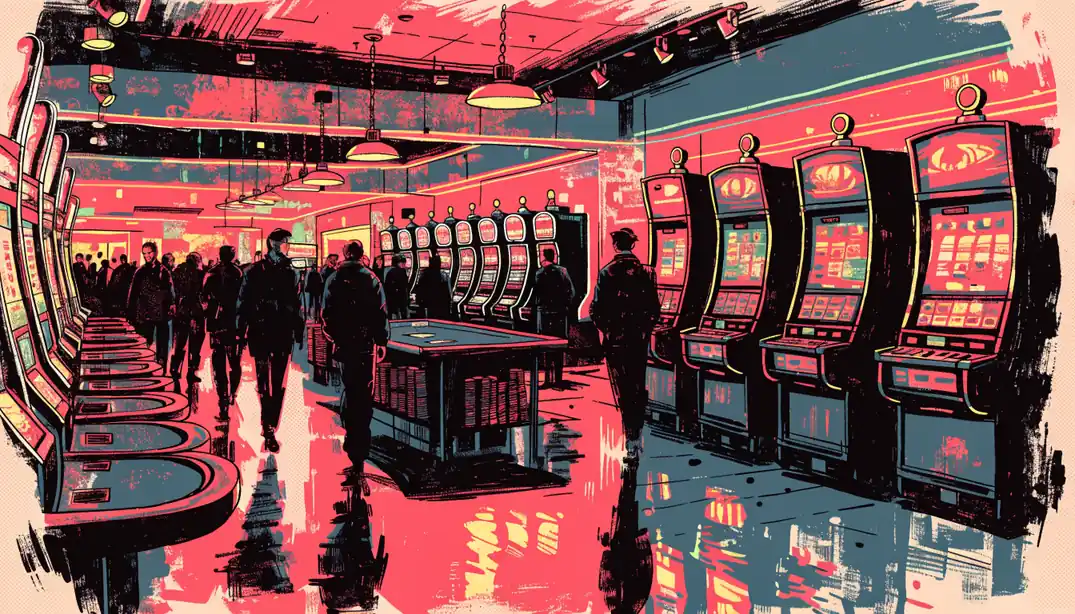
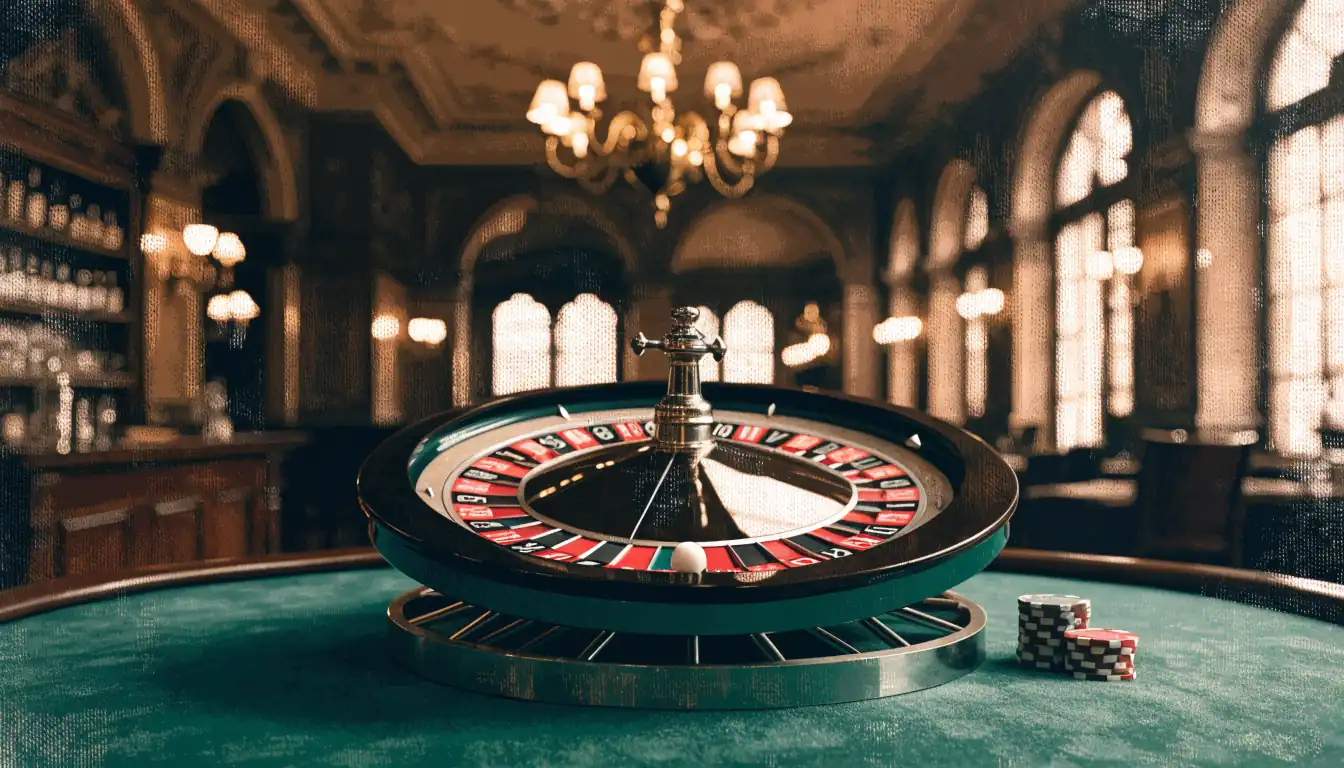
At the broadest level, casino play divides into machine-led games and table games. A gambling machine is generally used by one player at a time, without a casino employee needing to operate each turn. A table game, by contrast, is usually managed by a croupier or dealer. Players make wagers against the casino, not against one another. That difference shapes the pace and feel of play, but both formats still involve staking cash or chips on possible random outcomes or combinations.
Dice can appear in either setting. A player may encounter dice as part of a table game, where a dealer or croupier oversees the action, or in a machine-led format where the result is handled by the equipment. The presence of dice alone does not tell much about the structure. The practical question is whether the game is organised around a table and a house-managed process, or whether a machine handles the play without staff involvement at each turn.
I have found that this distinction matters more than the label. “Table” suggests a social, dealer-led experience; “dice” suggests a particular kind of chance. Neither word, on its own, explains the rules or the way a stake is settled. The format does.
Where the casino’s advantage comes from
In a casino game, the player stakes money on an outcome, while the casino sets the terms under which that outcome pays. Those terms typically give the house a predictable advantage over the long run. That does not prevent a player from winning in an individual session; short-term gains remain possible. It means that repeated play is structured so the casino has the long-term edge.
Online Casino Games for Real Cash in the UK
The advantage is built into the game’s rules and payouts rather than being a prediction about what will happen on the next roll. One result can favour the player, another can favour the casino. A run of wins does not erase the underlying structure, just as a run of losses does not prove that a particular result was due. The house edge concerns the expected balance across continued play, not the certainty of any single turn.
This is why a dice table should not be judged only by how simple its central action looks. A roll may be easy to understand, but the wagers around it can differ in what they require and how they pay. The casino’s advantage belongs to the full game design: the available bets, their conditions, and their payouts. The dice are only one part of that arrangement.
That point also separates house-banked casino games from games in which players compete with one another. Where the casino is not the opponent, as in poker, the operator generally earns through a commission known as a rake. In a house-banked dice game, the relationship is different: the player’s wager is made against the casino’s rules and payout structure.
Live Dream Catcher Casino UK: Game and Gameplay
Reading the format before the label
When sorting out casino games involving dice, I start with three questions: who handles each turn, whether players compete against the house or each other, and where the casino’s advantage sits. These questions distinguish a dealer-run table from a single-player machine and clarify what “against the casino” means in practice.
The category matters, but it is not a recommendation. A table game is not automatically more transparent because a dealer is present, and a machine is not automatically more complicated because it runs without one. In either case, the useful details are the rules governing stakes and outcomes. Names and presentation come after that.
The same framework applies across the casino floor. Cash or chips are staked on uncertain outcomes; the game determines how those outcomes are settled; and the casino’s long-term position is built into the terms. Dice change the form of the event, not that basic relationship.
That is the useful starting point.
Table Games
Managed by a croupier or dealer where players make wagers against the casino.
Machine-led Games
Operated by equipment where a player typically plays alone without staff involvement.
Online Dice
Digital systems where the result is handled by software rather than a physical table.
Top online casinos in the UK
- AmunbetBonus: Join now and get 450% up to 2,700 GBP + 450 FS · Payout speed: 1-3 business days
- Revery PlayBonus: 100% up to€1,000+ 100 FS · Payout speed: 1-3 business days
- SpinFormulaBonus: 550% Up To £15,000 + 550 FS · Payout speed: 1-3 business days
- BeOnBetBonus: 100% up to €500 + 100 FS · Payout speed: 1-3 business days
- SlotoSportBonus: 500% up to £ 10 200+ 777 FS · Payout speed: 1-3 business days
- EvoSpinBonus: 125% up to €2500 + 125 Free Spins · Payout speed: 1-3 business days
- ZombillionBonus: Welcome Pack 250% up to £4000 + 200 FS · Payout speed: 1-3 business days
Dice Casinos Online: The UK Market Has Two Rulebooks
An online dice casino is a setting, not a single game. It can place casino games on a website or app, with the actual play taking place through digital systems rather than around a physical table. That distinction matters less than the operator behind the screen. In Britain, two kinds of platform may appear in the same search results, but they do not sit under the same rules.
In 2026, the UK online casino market is often described in specialist reviews as having two parallel spaces: operators within the UK Gambling Commission’s framework and offshore platforms outside it. The distinction is not simply about where a company is based or how its website looks. It concerns whether the operator holds the local permission required to offer remote gambling to people in Great Britain.
The UKGC side
For real-money gambling offered to customers in England, Scotland and Wales, the operator needs a licence from the UK Gambling Commission, or UKGC. The requirement applies to businesses based abroad as well as those based in Britain: serving the British market is what brings the licensing obligation into play. The Gambling (Licensing and Advertising) Act 2014 established the requirement for operators taking bets from British residents to be licensed.
That is the practical boundary behind a claim such as “UK casino”. The phrase may describe a site aimed at British customers, accept sterling, or display familiar payment options; none of those features establishes that it is authorised in the UK. The relevant question is whether the operator holds a UKGC licence for the activity it offers.
Casino Games: Slots, Table Games and Live Casino · Crazy Time Live Casino Game Show in the UK
From the industry side, I learned to separate the product from the permission to sell it. A dice game can look much the same from one screen to another, while the operator’s obligations and oversight differ materially. Familiar branding is not a licence. A UKGC-regulated platform belongs to the local regulatory system; its status does not depend on the game being a dice format.
Offshore platforms and the boundary
Offshore casinos do accept UK players, but they operate outside the UKGC system. That makes “available to UK players” a description of accessibility, not proof that a site is licensed to serve the British market. The distinction is easy to miss when a platform loads normally and presents itself as a straightforward alternative.
I have seen how the word “international” can do quiet work in this space. It sounds broad and reassuring; in practice, it says little about whether an operator has permission to offer real-money gambling in Britain. A foreign licence, where one is held, is not the same thing as a UKGC licence. Nor does the presence of dice games tell anything reliable about the operator’s regulatory position.
The legal framework is not a matter of choosing whichever rulebook seems more convenient. Remote operators selling into the British market are required to hold the relevant UKGC licence, regardless of their location. Offshore platforms sit outside that domestic regulatory framework, even when UK players can reach them. Accessibility and authorisation are separate matters.
Do
- Check if the operator holds a UKGC licence.
- Verify the specific game contribution rules for bonuses.
- Read the withdrawal clauses and winnings caps.
Don’t
- Assume a “UK casino” label guarantees local regulation.
- Treat “international” or “non-GamStop” as regulatory markers.
- Equate dice-themed graphics with a live table experience.
That is why a list labelled “best” or “top” dice casinos cannot be judged by interface or game selection alone. Those labels are promotional shorthand, not a regulatory category. If a site is presented as suitable for British real-money play, the licence question comes first; a familiar payment route, a British-facing page or a dice-themed lobby cannot answer it on their own.
What the difference means in practice
The same basic idea—casino games delivered online—can therefore describe platforms with different legal standing in the UK. Online casinos make casino games available where the law permits them, but the location of the player and the operator’s licensing position shape whether that offer belongs within the regulated British market.
A careful description keeps three ideas apart:
- Game format: dice play is one possible casino offering.
- Access: an offshore platform may accept UK players.
- Regulatory status: an operator serving the British market with real-money gambling must hold the relevant UKGC licence.
Those are not interchangeable. “UK-facing” describes presentation or intended audience. “Accepts UK players” describes access. “UKGC-licensed” describes a regulatory status. Only the last answers whether the operator is within the UKGC framework.
The difference also explains why a site can appear alongside locally licensed operators without being part of the same system. Search results and advertisements can place unlike platforms next to each other; visual proximity does not create equal oversight. On the regulated side, an operator is accountable under the domestic licensing framework. On the offshore side, the platform operates outside that framework, even if it offers a similar-looking casino lobby.
I would not treat a dice table as a shortcut through this distinction. The game itself does not make a platform local, licensed or safer by association. The decisive detail is the operator’s status, not whether the page shows dice, cards or other casino games.
Reading the labels without taking them at face value
Terms such as “UK casino”, “international casino” and “non-GamStop site” are used in different ways in commercial descriptions. They can signal an audience or a platform type, but they should not be mistaken for the legal test. A site’s own description is not independent evidence of its UKGC position.
The useful distinction is narrower and more concrete: a UKGC-licensed operator is inside the British regulatory system; an offshore casino accepting UK players is outside it. That remains true even where the two platforms offer similar online casino experiences. Different rulebooks. Different status.
Chicken Road Game Casino UK: What to Check · Online Bingo UK: Rooms, Tickets and Slots
So the phrase “online dice casino” tells very little by itself. It identifies a digital casino setting in which dice games may be available, but it does not establish who operates the site or whether the operator is authorised for the British market. Those questions must be kept separate from the game category.
Casino Dice Sites and the Terms Behind the Welcome Offer
A welcome offer can make one of the dice casino sites look more generous than another, but the headline figure tells only part of the story. I have seen the real cost of an offer sit in its conditions: which games count, how much wagering is required, when the bonus expires and whether winnings are capped. The label is the shop window. The terms are the transaction.
The first distinction is between cash and bonus funds. A bonus balance is not necessarily withdrawable money. Where wagering requirements apply, stakes must be placed before eligible winnings can be cashed out. The requirement is calculated against the bonus amount, so a large multiplier can turn a modest-looking reward into a substantial amount of required play. A £100 bonus at 35x, for instance, means £3,500 in total stakes before cash-out eligibility. That is turnover, not a prediction of how much will be lost; the distinction matters, but it does not make the condition trivial.
UK Bonus Rules 2026
In the UK, regulations changed on 19 January 2026. Bonus funds are subject to a maximum wagering requirement of 10x. Additionally, a single incentive cannot combine different gambling product types, such as mixing casino play and betting.
In the UK, the rules for incentives changed on 19 January 2026. Bonus funds cannot carry wagering requirements above 10x, and a single incentive cannot combine different gambling product types, such as casino play and betting. That gives the terms a clearer boundary. It does not mean every offer is equally useful: eligibility, game contribution, expiry and withdrawal conditions still determine how the promotion works in practice.
For dice casino sites UK promotions, the game contribution rule is especially easy to overlook. An offer may be presented as suitable for casino play while particular games contribute differently, or do not qualify. The wording should make that clear before a deposit is made. If dice play is the intended use, the relevant question is not simply whether the site has a dice game, but whether that game counts towards the offer’s wagering requirement and on what basis.
“Free” is another word that needs translating. Free spins do not necessarily produce cash that can be withdrawn in full. Specialist gambling reviews describe casinos where winnings from free spins are capped, so a strong result may still be limited to a stated maximum. The cap is separate from the spin itself: it controls what can be retained, not whether the spin can land a win. I would treat any cap as part of the value calculation, not as small print to inspect after playing.
Deposit conditions also shape the practical value. A matched offer depends on the amount deposited and the bonus calculation attached to it; a no-deposit bonus, by contrast, is available without spending money. Neither description settles the question of cash-out. The attached terms can still define who qualifies, which games count, what wagering applies and whether a maximum withdrawal or winnings cap exists. “No deposit” means no initial spend is required for the bonus. It does not mean the bonus is unrestricted.
Mines Casino Game UK: How It Works and What to Know
The most useful comparison is therefore between the amount offered and the conditions attached to it. I check the bonus basis, wagering requirement, eligible games, expiry, caps and any cash-out restrictions as one package. A headline amount that looks larger can be less useful if a substantial share of play is excluded or the winnings are capped. A smaller offer may have clearer conditions, but clarity alone does not make it suitable; the relevant detail is how those conditions work for the games included.
There is also a regulatory distinction behind the phrase “trusted dice casino”. For real-money gambling offered to customers in England, Scotland and Wales, the operator must hold a UKGC licence. A site’s own description or a promotional page is not a substitute for that status. UK-licensed operators must display bonus terms clearly and fairly, and the incentive rules set limits on wagering and prevent a single promotion from bundling casino and betting activity. Those protections matter because the offer is part of the gambling product, not a gift detached from it.
I have found it useful to read the withdrawal clause alongside the welcome banner. The banner describes what is credited; the withdrawal terms describe what may leave the account and under what conditions. If a free-spin win is capped, or bonus funds must first meet a wagering requirement, those are not minor technicalities. They define the offer’s actual shape. The headline is only the opening move.
Welcome Offer Reality
A headline bonus amount can be less valuable than a smaller offer if it includes high wagering requirements, restrictive game exclusions, or strict winnings caps.
For UK casino sites with dice games, a sensible assessment begins with the game’s eligibility and ends with the cash-out conditions. “Generous” is advertising language; the mechanics are the amount credited, the qualifying play, any cap and the rules for withdrawing. That is where the value sits.
Dice Roll Slots: A Different Kind of Dice Game
A slot that shows dice is still a slot. The symbols may tumble, stop or form combinations that look like dice outcomes, but the format is not the same as a table game in which people roll physical dice or play against a dealer. The important distinction is not the artwork. It is how the game runs.
At a table, a croupier or dealer conducts play. With a gambling machine, one person generally plays at a time, and casino staff do not need to manage each turn. In an online slot, the software handles the spin and displays its result. Where the game is a random number game, selected numbers are generated by a computer or other gaming equipment. Dice graphics do not turn that process into a live dice roll.
That difference changes what “how to play” means. At a casino dice table, the rules explain the permitted bets and how a physical roll affects them. In a dice-themed slot, the player chooses a stake and starts a spin; the game then applies its own rules to the symbols and combinations. The visual may borrow the language of rolling dice, while the play remains machine-led.
Same image, different game.
JetX Casino Game UK: How It Works and What to Check
Demo play and the real-money boundary
A demo version or free-play mode can show how the interface works without making the slot a table game. It may let someone see how symbols appear, what features are displayed and how a spin is started. It cannot establish that a different game with similar dice imagery uses the same rules, nor does a practice display reproduce the consequences of staking money.
The phrase “free” needs care. It can describe a demo, but it can also appear in promotional language for a real-money product. Those are not interchangeable. In a demo, no cash stake is being placed on the displayed outcome. In real-money play, the customer is gambling on the slot’s result, even if the interface is styled as dice and the spin is presented as a roll.
I have seen the artwork do a lot of selling before a player has looked at the game category. “Dice” sounds familiar and physical; “roll” suggests a simple event with an obvious outcome. But a slot’s rules are set by its software. The familiar image does not tell anyone whether the game is a slot, a table game or a random-number game presented through a particular interface. The rules do.
What UK slot rules change
In Britain, online slots are subject to rules that do not describe a dealer-run dice table. Online slot autoplay is banned, and each spin must last at least two and a half seconds. There are also maximum stake limits per game cycle: five pounds for players aged 25 and over, and two pounds for players aged 18 to 24. The five-pound limit for all adults aged 25 and over took effect on 9 April 2025.
Slot Restrictions
Attention Online slots in Britain are subject to mandatory rules: autoplay is banned, and each spin must last at least two and a half seconds. Maximum stake limits also apply based on player age.
Those restrictions matter when a dice-themed game is classified as a slot. Its symbols do not exempt it from slot rules. Nor does calling an action a “roll” alter the fact that the player is starting a slot spin. The category is determined by how the product operates, not by the animation or the wording on a button.
This is also why instructions for craps should not be transferred to a dice-themed slot. Craps is a table-game format with rules governing bets around dice rolls. A slot uses its own software-defined play and result display. Knowing how to place a craps bet does not explain a slot’s features; knowing where the spin button sits does not explain craps.
When a game is offered for real money in Great Britain, its operator must hold a UK Gambling Commission licence. That requirement applies to the operator, not merely to the theme or the software. A dice design is not a separate regulatory category, and a demo does not prove that real-money access is permitted. The label is not the licence.
Online Casino Tournaments in the UK: Formats and Terms
For anyone comparing a dice slot with casino dice, the useful first step is to identify the format. If play proceeds through individual spins, with symbols resolved by the machine, it belongs to the slot side of the distinction. If play is conducted at a table with a dealer and rules tied to dice rolls, it belongs to the table-game side. Similar imagery can sit across both. The mechanics cannot.
Craps, Crypto and the Limits of What Can Be Verified
Craps is a table-game format; crypto describes a payment method or, sometimes, the kind of platform being advertised. They answer different questions. In craps, players bet on possible outcomes while competing against the casino, with play usually conducted by a croupier or dealer. A dice game played through software may look different, even if the interface borrows the language of a craps table.
That distinction matters when a site presents itself as a crypto dice casino. The label does not establish that it offers craps, that a dealer is involved, or that the dice operate under the same rules as a familiar table game. Nor does a crypto payment option tell anything by itself about the game’s mechanics. I have seen marketing compress all of those features into one phrase; the detail sits elsewhere, in the rules and payment terms.
Summary
- Payment methods like Bitcoin are distinct from regulatory status.
- A dice theme does not change the underlying game format or rules.
- The decisive detail for safety is the operator’s UKGC licensing.
- Always separate the visual presentation from the legal framework.
A specialist review has reported that some alternative platforms accept Bitcoin, Ethereum and Litecoin alongside conventional cards and e-wallets. That is a description of particular platforms, not a dependable market-wide promise. Payment options can vary by operator and change over time. For UK-licensed gambling, credit-card payments are not accepted, including credit-card funding routed through a money service business; a wallet that lets credit-card funds reach gambling is also restricted.
“Top” is another word that needs translating. In a casino comparison, it often signals a ranking or an affiliate’s selection, not a standard measure of game quality. A list of dice sites cannot establish that each has a craps table, accepts a particular cryptocurrency, or offers the same rules. Those are separate claims and need to be checked separately.
The practical test is to identify the product first: a dealer-run craps table, a computer-led dice game, or a dice-themed slot. Then treat payment claims as a separate matter, and distinguish a UKGC-licensed operator from a platform outside that system. A familiar coin logo does not settle the question of what is being played—or under which rules.
Separate the labels.
What “Casino Dice” Means in the UK in 2026
“Casino dice” describes a gambling format, not necessarily a pair of physical cubes on a table. The defining feature is that a stake is placed on a possible outcome or combination of outcomes. In an online game, the result may come from random numbers generated by a computer or other gaming equipment. The screen can show dice, but the image alone does not tell how the result is produced.
Crash Casino Games in the UK: How to Compare
That distinction matters when comparing a digital dice game with a live table. In the first, the game equipment generates the result; in the second, a dealer may handle physical dice. Both can present chance-based outcomes, but they are not the same playing experience. Nor does the word “dice” identify a single set of rules: the predictions, payout structure and way a round resolves depend on the particular game.
I have found that presentation often does more work than the label. A game may use dice imagery while operating as a computer-based random number game. The practical point is to understand what determines the outcome, rather than infer the mechanics from the artwork or title. No theatrics needed.
The house advantage is part of the underlying economics. Casino games are generally structured so the operator has a predictable edge over the long term, while an individual player can still win in the short term. A favourable result in one round does not alter that longer-term structure. The game’s excitement and its commercial design can sit side by side.
In the UK, the phrase “casino dice” can therefore refer broadly to dice-themed gambling, including digital formats, rather than only to a traditional table. The term by itself does not establish whether dice are physical, whether a dealer is involved, or how the result is generated. Those details belong to the game’s rules and operation. A clear description separates the visual theme from the mechanism: what the player predicts, how the outcome is produced, and how that outcome determines a win or loss.
Aviator Casino Game UK: Rules, Risk and Protections
Bitcoin Dice Casinos: Payment Claims Versus the UK Rules
Bitcoin changes the payment question, not the legal one. Some specialist reviews of alternative gambling platforms report that they may accept Bitcoin alongside other digital currencies, cards and e-wallets. That is a platform-level claim, not confirmation that a particular operator offers a particular dice game or serves customers lawfully in Britain. Payment logos are not a licence.
For real-money gambling offered to customers in England, Scotland and Wales, the operator must hold a UK Gambling Commission licence. That requirement applies regardless of whether deposits are made in pounds or cryptocurrency. A site accepting Bitcoin does not sit outside the rule simply because its payment method differs from those used by UK-licensed casinos.
I have seen payment choice do a lot of work in promotional copy. “Crypto-friendly” can describe a deposit route, but it says nothing by itself about the game’s rules, how outcomes are produced, or what protections apply. The same distinction matters when a page combines Bitcoin with dice wording, or presents a bonus beside a Sic Bo table: the payment offer and the gambling product are separate claims.
A Bitcoin dice casino may refer to a platform that takes cryptocurrency for dice-style gambling; it is not a recognised category of UK licence. Nor does a label such as “Sic Bo” establish that a specific table is available or verified. The operative question for British real-money play is whether the operator holds the required UKGC licence. Offshore sites can be reachable from the UK, but accessibility does not make them part of the UKGC system.
The practical boundary is clear. Bitcoin is a payment method, not a regulatory status. A dice game is a product, not proof of approval. Keep those claims separate. No shortcut.