Live Dream Catcher Casino UK: Game and Gameplay
Dream Catcher combines a host-operated physical wheel with a live video feed and an online interface for following rounds and placing wagers.
 Available in GB
Table of Contents
- What Dream Catcher Is—and What “Live” Actually Means
- Top online casinos in the UK
- Finding Dream Catcher at an Online Casino
- Choosing a Casino Without Trusting the “Best” Label
- Live Casino Games Beyond Dream Catcher
- How a Dream Catcher Session Works
- The Wheel, the Bets and the Slot-Rules Boundary
- What a Live Dream Catcher Casino Site Should Make Clear
- What a Dream Catcher Demo Can—and Cannot—Show
- Reading a Dream Catcher Casino Review as a Checklist
- Before Playing Dream Catcher Live
What Dream Catcher Is—and What “Live” Actually Means
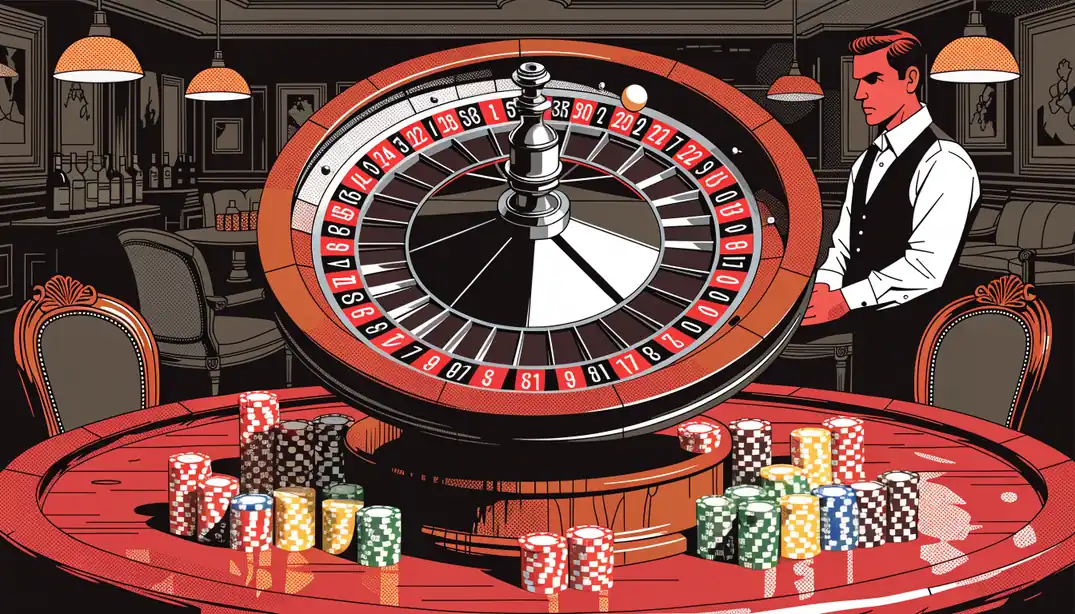
Dream Catcher is a named live casino game built around a large numbered wheel. It is presented as a studio game, with a human host operating the wheel and a camera feed carrying the action to players online. The screen may look like a game interface, but the central event is a physical wheel being spun, not a sequence of computer-generated slot reels.
That distinction matters because “live” describes how the game is presented and run, not a promise about its pace or outcome. A live feed shows the host and wheel as the round unfolds; the interface lets players follow the game and place wagers. The result comes from the wheel landing, while the graphics on screen help explain the available choices and outcome. A polished studio set does not change the underlying format.
I find it useful to separate three things that casino pages often blend together: the game itself, the live production around it, and the software interface used to join a round. Dream Catcher is the game. The host, cameras and studio create the live presentation. The online platform displays the feed and the controls. Each has a different job, even though the player sees them together.
Live presentation, not an online slot
An online slot is a digital game in which a spin is generated by the slot’s software. It may have animated reels, sound effects and a theme, but there is no studio wheel being turned in front of a camera. Dream Catcher instead belongs to the live casino format: the visible wheel is the focus, and the host runs the round on camera.
The difference is more than visual. Slot rules specific to online slots do not automatically govern every game shown in a casino’s live section. A specialist review has described Great Britain’s slot stake limits as not applying to roulette or blackjack; that statement concerns those named table games, not a blanket exemption for every product labelled “live”. The category has to be identified before a rule is applied. Labels are not regulation.
Live Baccarat Online Casino UK: How It Works
Dream Catcher’s wheel-based format is sometimes described alongside roulette because both involve a wheel and outcomes linked to where it stops. That resemblance should not erase the difference between named games. The format, available wagers and rules are defined by the game, not by a loose visual comparison. A wheel on screen does not make every wheel game roulette.
The same caution applies to the word “casino”. In everyday use, it can mean the website, the live-game lobby, or the game itself. “Dream Catcher casino” is often shorthand for finding the game in an online casino’s live offering. It does not mean that the game has become a separate casino or that every operator presents it in the same way.
What the word “live” tells us
A live casino is an online presentation of a game run in a studio or other live setting. The video feed provides a view of the host and equipment, while software connects that broadcast to the betting interface. It is still an online gambling product: the round is viewed remotely, and interaction takes place through the platform rather than at a physical casino table.
This is different from a slot designed to imitate a presenter or studio. A slot can use a host-like character, a wheel graphic or a broadcast-style set without being a live game. The practical test is whether the game is being conducted as a live studio event or whether the visuals are part of a software-generated slot. A screen can look busy and still be a slot. A studio feed can look simple and still be live.
The word “live” also does not mean that a player can influence where the wheel stops. The host presents the round; the interface records the player’s chosen wager; the wheel determines the result. Those roles remain separate. Presentation is not control.
For someone looking up a live Dream Catcher casino in the UK, the basic expectation is therefore a wheel game delivered through a live stream, rather than a conventional online slot with spinning reels. That is the useful starting point before considering where a particular casino lists it or what its own account conditions say. I keep the distinction plain: studio event, digital access, separate game rules.
Game Format Live casino wheel game
Primary Feature Physical studio wheel and human host
Key Distinction Different from online slots
Top online casinos in the UK
- AmunbetBonus: Join now and get 450% up to 2,700 GBP + 450 FS · Payout speed: 1-3 business days
- Revery PlayBonus: 100% up to€1,000+ 100 FS · Payout speed: 1-3 business days
- SpinFormulaBonus: 550% Up To £15,000 + 550 FS · Payout speed: 1-3 business days
- BeOnBetBonus: 100% up to €500 + 100 FS · Payout speed: 1-3 business days
- SlotoSportBonus: 500% up to £ 10 200+ 777 FS · Payout speed: 1-3 business days
- EvoSpinBonus: 125% up to €2500 + 125 Free Spins · Payout speed: 1-3 business days
- ZombillionBonus: Welcome Pack 250% up to £4000 + 200 FS · Payout speed: 1-3 business days
Finding Dream Catcher at an Online Casino
Dream Catcher can be easy to miss in an online casino because live games are usually grouped separately from slots and other instant-play titles. The game may appear under a live casino, live games or game-show category, depending on how the operator has organised its lobby. I start with those sections rather than assuming that a general games list shows everything the site offers.
The label is only a starting point. A lobby may divide live games by format, provider or table, and its categories are not necessarily consistent across desktop and mobile. A search field within the casino can help locate Dream Catcher directly; if the title does not appear, browsing the live-game categories is the next useful check. Some lobbies show a tile but require another selection before the game opens, so the title’s presence in a list does not by itself confirm that it is currently accessible.
Use the lobby, not the advertising page
Casino homepages often promote a handful of games, while the full live catalogue sits behind a separate menu. Promotional panels can be useful for discovering what an operator features, but they are not a reliable inventory. I treat the lobby as the practical map: look for a live-casino entry, open the game catalogue, then check whether Dream Catcher appears as a playable title rather than only in an advert or article.
Online Casino American Roulette UK: Wheel and Play
A casino may also place the same title in more than one category. That is a navigation choice, not evidence that there are different versions of the game. If a title is shown with a “live” label, that normally indicates the operator is presenting it in its live-casino section; the label alone does not establish the conditions attached to access. Those details sit with the operator and the game interface.
The game’s visibility can vary with the way the site is being accessed. A mobile lobby may use a compact menu or display fewer tiles at once, while a desktop page may show more categories on screen. I check that the selected title opens in the intended format and that the page is not merely a promotional preview. No need to infer more from a thumbnail.
Check access before relying on a listing
A listing can be affected by account status, location settings, maintenance or a temporary change to the catalogue. If Dream Catcher appears in one view but not another, it is worth checking the operator’s live-games area again rather than treating the first result as a permanent availability promise. The operator controls its own lobby and may update how titles are grouped or displayed.
Some sites let visitors inspect parts of the lobby before signing in; others place more of the catalogue behind an account screen. That difference says something about how the operator presents its service, but it does not answer whether the operator is authorised to serve customers in Great Britain. Catalogue access and regulatory status are separate questions.
The UK Gambling Commission regulates the gambling activity and the businesses offering it, not the specific arrangement of casino menus or the presence of a particular title in a lobby.
This is where the distinction between a game page and a licensed gambling service matters. The UK Gambling Commission regulates commercial gambling in Great Britain and issues operating licences to businesses. Remote gambling offered to consumers in Great Britain falls within that remit regardless of where the operator’s key equipment is located. A company serving this market therefore needs the relevant Commission licence; the location of a studio or server does not replace it.
The Commission’s role is not to organise casino menus or guarantee that a particular title will remain in a lobby. It regulates the gambling activity and the businesses offering it. So, finding Dream Catcher on a site is a navigation result, not proof of the site’s regulatory position. The two checks should not be collapsed into one.
What the title’s placement can tell you
A live-game catalogue gives a useful, limited picture of the operator’s offer. It can show whether Dream Catcher is listed, how the casino groups it and whether the site distinguishes live titles from other games. It cannot, by itself, show how long the title will remain available or what account conditions apply. I keep that boundary clear.
If the catalogue uses filters, try the live category first and then any game-show or wheel-style grouping. A filter can hide titles that do not match the selected category, even when they are present elsewhere in the lobby. Clearing filters and searching the exact game name can resolve a false impression that the title is absent.
Online European Roulette in the UK: Rules and Odds
There is also a difference between an operator listing a title and making it accessible in the player’s current session. A tile may lead to an unavailable notice, a sign-in prompt or a loading screen. Those outcomes are not interchangeable. A sign-in prompt indicates a gate in the operator’s access flow; an unavailable notice points to a current restriction or technical issue; a loading failure does not prove the game has been withdrawn.
For a UK-facing service, the relevant regulatory question concerns the operator, not the game’s position in the catalogue. The Commission regulates online gambling as part of its wider remit over gambling activity in the United Kingdom, while the licence requirement applies to remote operators serving Great Britain. Finding the title is one task. Understanding who is offering it is another. The lobby answers only the first.
Choosing a Casino Without Trusting the “Best” Label
“Best” is a sales label, not a licence category. When I assess a casino carrying Dream Catcher, I start with the operator’s legal identity and its position on the UK Gambling Commission’s public register. A polished live lobby, familiar game branding or a confident claim about being among the best Dream Catcher casinos cannot establish that the operator is authorised to serve customers in Great Britain.
The Commission regulates remote gambling offered to consumers in Great Britain, wherever the operator’s key equipment is located. Businesses need the relevant operating licence; the regulator also issues personal licences to individuals working in relevant roles. That distinction matters: a company’s licence is the starting point for checking the site, while a personal licence is not a substitute for the operator’s permission to offer gambling.
Do
- Check the operator’s identity on the UKGC public register
- Compare the register entry with the brand and domain being used
- Verify that the company name matches the legal entity
Don’t
- Trust a licence badge as absolute proof without verification
- Assume a similar company name refers to the same operator
- Rely on a long-ago check as a guarantee of current authorisation
Check the register, not the badge
I treat a licence badge on a casino website as a signpost, not proof. The practical check is to open the UK Gambling Commission register and search for the operator named in the site’s terms. Then compare the register entry with the brand and domain being used. If a casino trades under a brand that differs from its legal company name, the relationship should be clear in the site’s legal information and consistent with the register.
A search result alone can mislead. A similar company name, an old entry or a licence belonging to a different business does not establish that the casino in front of the player is covered. I check the precise identity and domain rather than assuming that a logo or a copied licence number connects them. If those details do not line up, I would not treat the claim as settled.
The register is also a live compliance reference, not a permanent endorsement. A casino’s standing can change, so a check made long ago does not answer whether the same operator is authorised now. The point is not to collect a badge for reassurance. It is to establish who is taking the account and whether that business holds the relevant UKGC permission.
One specific caution illustrates why dates and identity matter. A specialist review reported that the public register dated 26 September 2026 did not show a LuckyPays entry under that brand or its stated domain, including luckypays.io. That is a dated report about a particular operator, not a general finding about other casinos. Any assessment should be grounded in the current register, checked against the exact operator and domain in question.
Casino Dice Games in the UK: Rules and Formats
Look beyond the game catalogue
Once identity and licensing are clear, I look at what the operator commits to when something goes wrong. UKGC licensees must provide an internal complaints process and access to an approved Alternative Dispute Resolution service. The site should explain how to raise a complaint and where the dispute may go if the operator’s own process does not resolve it. A vague promise to “put players first” is not equivalent to a usable route.
Player protection is part of the operating framework, not an optional extra. Licensed casinos must provide responsible-gambling tools, including self-exclusion, and remote operators must make account-level limit controls accessible. New customers must be prompted to set a financial limit before their first deposit. These provisions tell me more about how an account is managed than a headline calling the site the best live Dream Catcher casino.
I also check whether the casino’s terms identify the business responsible for the account, describe its complaint route and make its protection tools findable without searching through promotional pages. If the site makes strong claims but hides the operator’s identity or leaves the formal process unclear, that gap deserves attention. The wording is part of the evidence.
Make a decision from verifiable details
A useful comparison is not a ranking assembled from adjectives. I separate verifiable points—operator identity, register entry, domain, complaint process and protection provisions—from claims such as “trusted”, “leading” or “best”. Those words may describe the site’s own positioning; they do not replace evidence.
Verifiable Details
Verification of the operator and its UKGC standing must always come before trusting promotional labels.
I also avoid treating the presence of Dream Catcher as a proxy for the quality or legality of the casino. A game can appear in a catalogue while the operator’s status and account conditions remain separate questions. The relevant check is the business offering the real-money account, not merely the game name shown on screen.
My rule is plain: establish the operator, verify its current UKGC entry against the site being used, and confirm that complaints and player-protection arrangements are stated clearly. If any of those checks cannot be completed, a glowing label adds nothing. Verification first.
Live Casino Games Beyond Dream Catcher
Dream Catcher sits within a broader live-casino catalogue, where familiar table games share space with wheel-based titles and newer studio formats. The useful distinction is not simply between one game and another. It is between the kinds of decisions a game asks players to make: card games involve hands and table rules, while roulette centres on wagers placed against a wheel’s outcome. A live catalogue can contain both without making them variations of the same experience.
Blackjack is among the recognisable card games. The player’s choices are made in relation to a hand and the dealer’s hand, so table rules matter before play begins. Texas Hold’em is another established card title, though its presence in a casino’s live section does not mean every table follows the same format. The game name is only the starting point; the table information supplies the conditions that shape a particular session.
Online Casino Tournaments in the UK: Formats and Terms
Roulette is the other familiar reference point. Its layout and wager choices differ from blackjack, and a live presentation brings the table into view rather than presenting the game as a conventional online slot. Some titles add a named feature or presentation style to that familiar base. Lightning Roulette, for instance, is a distinct product name in the live-game landscape; the name alone does not tell a player what terms apply at a particular table.
The category has been part of established UK casino operations for years. Grosvenor introduced its live casino games in 2013, with Blackjack, Texas Hold’em and Roulette among the offerings. That history helps explain why a live section may feel less like a single product shelf and more like a group of separate rooms: the games share a casino setting, but their rules and pace are not interchangeable.
I have found that the catalogue label can do more work than it should. “Live casino” sounds like one coherent format, when it may cover card tables, roulette variants and games built around a studio presentation. The label tells little about the actual rules. Read the game name and table description as separate pieces of information.
For someone comparing Dream Catcher with other live options, the comparison is therefore about format and preference, not an assumption that one title is a substitute for another. A roulette table offers a different wager structure from a card table; a card game asks players to follow its own rules and decisions. The broad category is useful for finding alternatives, but it should not blur those differences.
Blackjack
A card game where choices are made in relation to a player hand and a dealer hand.
Texas Hold’em
An established card title found in live casino sections.
Roulette
A wheel-based game with a layout and wager choices different from card games.
Live casinos in the UK can present this mix of established table games and more distinctive titles. The familiar names—Blackjack, Texas Hold’em and Roulette—provide a frame for understanding the catalogue. Dream Catcher belongs in that wider setting, while remaining its own game rather than a roulette table or a card game.
How a Dream Catcher Session Works
A session begins in the live-game lobby, not on a slot’s reels. After opening the Dream Catcher table, the player sees a live studio feed, the wheel interface and the controls for placing a wager. The exact layout can vary by casino, but the sequence is straightforward: choose a stake, select one or more betting areas, confirm the wager before betting closes, then watch the presenter set the wheel in motion.
The pace is shaped by the game’s round schedule. There is a window for placing wagers, followed by a cutoff while the wheel is spun and the result is recorded. Once the outcome appears, the game settles winning wagers and the next round begins. I find that the distinction matters: the interface may resemble a digital game, but a live round has a presenter, a physical wheel and a shared sequence of events rather than a slot’s software-generated spin.
That does not make the session a social occasion by default. Chat may be available, but it is separate from the wager and does not change the result. The useful details are practical: whether the table is open, whether the betting window is still active, which selection is highlighted and what stake is shown before confirmation. A misread control can turn a deliberate choice into a different wager.
Mines Casino Game UK: How It Works and What to Know
A slot session works differently. Each spin is a separate game cycle generated by the slot, and the player interacts with the game’s spin controls rather than joining a live wheel round. In Great Britain, online slots cannot offer autoplay, and a new slot cycle cannot begin until at least two and a half seconds have passed from the start of the previous one. Those safeguards relate to online slots; they are not a general timing rule for live casino rounds.
The stake restrictions also belong to slots. A specialist review of the rules describes the online slot cap as five pounds per game cycle for players aged twenty-five or over, and two pounds for those aged eighteen to twenty-four. That is a limit on an individual slot cycle, not a universal ceiling for every casino wager. Applying it to a live wheel would confuse two different game categories.
The same distinction applies to table games. The specialist review notes that the Great Britain online slot caps do not govern roulette or blackjack. Dream Catcher is a wheel-based live game, so slot-specific controls such as autoplay restrictions should not be presented as rules for its rounds. Category matters.
I treat the displayed stake and the game’s own betting controls as the operative information for a live session, while keeping the slot rules in their proper lane. The screen tells the player when a wager is accepted; the regulatory category explains which safeguards apply. Neither turns chance into a predictable outcome. Only wager what can be afforded to lose.
Stake Limits
Attention Online slot stake caps (such as £5 or £2 limits) do not necessarily govern roulette, blackjack, or live wheel games like Dream Catcher.
The Wheel, the Bets and the Slot-Rules Boundary
The wheel is the defining feature of Dream Catcher, but its presence does not make every game on a screen a slot. In a live casino presentation, the wheel supplies the outcome and players place wagers on the available options before it turns. The visual format can look closer to a game show than a conventional roulette table; the regulatory category still depends on the game being played, not on how lively the studio appears.
That distinction matters when reading references to stake limits. A specialist review describes the Great Britain online-slot caps as £5 per game cycle for players aged 25 or over and £2 for those aged 18 to 24. Those figures concern online slots. The same review states that the caps do not govern roulette or blackjack. Dream Catcher is presented as a wheel game, so applying the slot limit to it simply because it has a spinning mechanism would confuse appearance with classification.
I have seen that confusion arise from the word “spin”. In a slot, it describes a game cycle that generates an outcome through the slot’s software. On a live wheel, it refers to the physical wheel turning after wagers have been placed. The shared verb does not make the underlying products interchangeable. Different mechanics, different category.
The practical point is narrow but important: a slot stake cap should not be treated as a general ceiling for every live casino wager. Nor does that mean a wheel game is outside gambling rules. It means the specific online-slot stake restrictions should not be carried across to roulette by assumption. Other account controls and operator requirements remain relevant, but they are a separate matter from the slot cap.
Crazy Time Live Casino Game Show in the UK
When I check how a site describes Dream Catcher, I look for the game’s stated category and the rules attached to its wagers, rather than relying on labels such as “wheel slot”. That wording can be promotional shorthand, not a regulatory explanation. The game’s central wheel is easy to recognise; the boundary between product types is less visible.
A useful distinction. A real one.
What a Live Dream Catcher Casino Site Should Make Clear
A live Dream Catcher casino site should explain its account conditions before money is deposited, not leave essential terms scattered between promotional pages and small-print rules. I have found that the wording around funding often tells more than a banner: it shows which payment methods the operator can actually accept for gambling.
Age checks are part of that process. A UK-licensed operator must verify a customer’s age before allowing a deposit into a gambling account. Registration alone is not permission to fund an account. If verification is still pending, the site should make clear what is required and whether deposits remain unavailable.
Payment restrictions should also be explicit. UK-licensed casinos cannot accept credit cards for gambling, including credit-card funding routed through a money service business. A wallet cannot be used where it allows credit-card funds to be spent on gambling. These are not merely preferences in a cashier menu; they affect whether a payment route is permitted.
Before Depositing
- Verify the operator’s UKGC licence on the public register
- Confirm age verification is complete
- Check available payment methods (no credit cards allowed)
- Set a financial limit before your first deposit
- Locate the responsible gambling and self-exclusion tools
Limits are another operational detail, not a decorative responsible-gambling link. Remote operators must prompt new customers to set a financial limit before their first deposit and provide accessible account-level controls for managing limits. The site should explain where those controls sit and how they apply to the account. A vague promise to “play responsibly” is not a substitute.
The responsible-gambling area should make the available tools easy to locate, including self-exclusion. UK-licensed casinos must provide such tools, and an account should not require a hunt through unrelated pages to find them. I look for controls presented as part of the account, rather than as a footnote beside promotional material.
A site’s terms should also identify the operator and state the basis on which it offers gambling to customers in Great Britain. The UK Gambling Commission requires remote operators serving Great Britain to hold the relevant licence, and its public register is the place to confirm the licence details. Clear disclosures do not prove that every account condition is favourable. They do make the operating rules visible before funding.
That is the useful distinction. “Transparent” is a claim; readable payment rules, age checks, limit controls and protection tools are the evidence. Before an account is funded, the practical question is whether those mechanisms can be found and understood without relying on a sales message. Gambling should only involve money that can be afforded to lose.
What a Dream Catcher Demo Can—and Cannot—Show
A Dream Catcher demo can show how the game is laid out before any real-money play: where the wheel appears, how the betting controls are arranged and how the on-screen information changes during a round. That is useful for orientation. It removes the small interface surprises that can otherwise distract from understanding what is happening.
The limits matter. A demo does not establish that the casino hosting it is licensed to serve customers in Great Britain. The Gambling Commission requires remote operators serving that market to hold the relevant licence, and the public register is where that status can be checked. A game screen, even one carrying a familiar provider’s branding, is not proof of the operator’s regulatory position.
Nor does a demo reveal the conditions attached to an account. It cannot show whether the site’s payment rules, financial controls, complaints process or account protections are suitable. Those are operator-level matters, not features that can be inferred from the game itself. I have seen polished game presentations do their job very well while saying nothing about the separate terms surrounding an account.
There is also a difference between seeing a game interface and assessing how it behaves in real-money use. A demo can make the sequence and controls familiar, but it is not a basis for predicting outcomes or judging what a future session will cost. The screen is a guide to navigation, not a forecast.
That distinction is easy to lose when a page calls its demo “risk-free” or “realistic”. Those labels describe a presentation, not the casino’s licence or account conditions. Read them narrowly.
What a Demo Provides
A demo allows you to become familiar with the visual layout and betting controls without risking real money, but it does not provide information regarding the operator’s regulatory status or account terms.
[The demo is a guide to navigation, not a forecast of outcomes or operator legality.]
Used modestly, a Dream Catcher live casino demo has a clear purpose: it lets someone become familiar with the visual layout without treating the display as evidence about the operator. I would keep those two checks separate. Game familiarity is one thing. Operator verification is another.
Reading a Dream Catcher Casino Review as a Checklist
A review of a casino offering Dream Catcher can look detailed while leaving the important claims untested. I separate what can be checked independently from what is simply sales language. “Trusted” is a label, not evidence. The useful question is what supports it.
Start with the operator’s legal identity and UK Gambling Commission licence. A review should identify the business behind the casino and make it possible to match that business and its licence details against the Commission’s public register. The Commission regulates remote gambling offered to Great Britain consumers, including when the operator’s equipment is located elsewhere. A logo or a sentence saying “fully licensed” is not the same as a register entry.
Next, look for concrete account protections rather than a generic assurance that gambling is “safe”. UK-licensed casinos must provide responsible-gambling tools, including self-exclusion. They must also offer an internal complaints process and access to an approved Alternative Dispute Resolution service. A review that describes these provisions, and points to where the operator explains them, gives more useful information than one that repeats a badge or slogan.
I treat payment and account claims the same way. A review should not turn a restricted payment method into a convenience claim without explaining the restriction. UK-licensed operators cannot accept credit cards for gambling, including credit-card funding routed through a money service business; wallets that permit credit-card funds for gambling are also excluded. That is an operating condition, not a promotional feature.
The language around the game deserves a separate check. “Best” or “seamless” tells little unless the review states what it actually assessed. Does it distinguish the operator’s service from the game itself? Does it say which claims are based on direct checks and which are the casino’s own descriptions? Does it avoid presenting a positive impression as proof of fair treatment or suitability?
I also watch for missing evidence. A review may accurately describe an interface and still say nothing reliable about licensing, complaints, or account protections. Those are different claims and need different support. A polished tone cannot fill the gap. Specific, verifiable details can.
Before Playing Dream Catcher Live
The last checks before a live session are administrative, but they matter more than the game’s presentation. In Great Britain, a real-money casino must hold a UK Gambling Commission operating licence. I treat the public register as the reference point, not a badge on a homepage: confirm that the licence details match the operator and its stated domain before depositing.
Age verification comes before funding. Operators must check a customer’s age before allowing a deposit, and online gambling is for people aged 18 or over at licensed sites. An account that has not cleared verification is not ready for play, however accessible the game page looks.
Next, check the account’s financial limits and payment method. Remote operators must prompt new customers to set a financial limit before their first deposit and make account-level limit controls accessible. Credit cards cannot be used to fund gambling, including through a money service business; a wallet that permits credit-card funds for gambling is also not acceptable. A payment option appearing in a cashier does not make every source of funds eligible.
I would also pause if the planned wager depends on money needed for bills or other commitments. A limit is useful only when it reflects what can genuinely be lost, not what a session might return. The practical rule is plain: gamble only what you can afford to lose. If that condition is not met, do not start the session.
Are online casino games licensed and regulated?
Yes. The UK Gambling Commission regulates remote gambling offered to consumers in Great Britain, and remote operators serving them must hold the relevant licence.
What are the online slot stake limits in Great Britain?
The limit is £5 per game cycle for adults aged 25 and over, and £2 for adults aged 18 to 24. These limits do not apply to roulette or blackjack.
Is LuckyPays licensed by the UK Gambling Commission?
The Commission’s public register dated 26 September 2026 does not list LuckyPays under its brand or stated domain, including luckypays.io.